Picture this: Your little one is screaming during bath time, and you’re scrambling to find something, anything, to distract them. Sound familiar? Finding the right toddler bath toys can transform this stressful situation into a splash-filled adventure! This article will guide you through the exciting options available, from floating creatures to water-squirting fun, helping you choose toys that are safe, engaging, and perfect for your child’s developmental stage. You’ll gain insights into safety features, developmental benefits, and toy selection, transforming bath time from a battleground into a joyful experience, and also keeping them entertained during that time. You will get to know how to select the right toys. This will help you to select the best toddler bath toys and make bath time better for everyone. By the end, you’ll feel confident in creating a playful and secure environment for your toddler’s aquatic explorations.
Key Takeaways
- Choosing the right toddler bath toys can significantly enhance your child’s bath time experience.
- Safety is paramount; learn how to select toys made from non-toxic materials.
- Interactive bath toys promote cognitive development and enhance fine motor skills.
- Discover options that encourage imaginative play and spark creativity.
- Easy-to-clean toys reduce mold and mildew build-up, ensuring a healthier bath environment.
- Explore a range of toy types suitable for different age groups and preferences.
Safety First: Choosing the Right Toys
When it comes to toddler bath toys, safety should always be your top priority. Remember that toddlers explore the world with their mouths, so selecting toys made from non-toxic materials is very important. Always inspect toys regularly for any damage, such as cracks or tears, that could pose a choking hazard. Check for small parts that could come loose and be ingested. The material needs to be easy to clean to prevent the growth of mold and mildew, which can be harmful to a toddler’s health. The design should also be free of sharp edges or points that could cause injury.
Material Matters: Selecting Non-Toxic Toys
The materials that make up your toddler’s bath toys play a crucial role in their safety. Look for toys made from BPA-free plastics, natural rubber, or silicone. These materials are generally considered safe and less likely to leach harmful chemicals when exposed to water and heat. Avoid toys that have a strong chemical smell, as this can indicate the presence of potentially hazardous substances. Look for certifications like the “EN71” or “ASTM F963” standards, which show that the toy has been tested and meets safety requirements. Always read the manufacturer’s labels to understand the materials used and any care instructions.
- BPA-Free Plastics: BPA (Bisphenol A) is a chemical used in some plastics that can be harmful. Opt for toys clearly labeled as BPA-free to reduce exposure. These toys are usually very safe.
- Natural Rubber: Natural rubber toys are a great choice. These toys are made from sustainable resources and are biodegradable.
- Silicone: Silicone is a soft, flexible material that is heat-resistant and non-toxic. It’s often used for bath toys and is easy to clean.
- Avoid PVC: PVC (Polyvinyl Chloride) contains phthalates, which are chemicals that can be dangerous. Choose toys made without PVC.
Inspecting for Hazards: Avoiding Choking and Injury
Regularly inspecting your toddler’s bath toys is important to make sure they are safe. Look for any signs of wear and tear, such as cracks, tears, or loose parts. These can create choking hazards. Make sure that any paint on the toys is non-toxic and hasn’t chipped. If a toy seems damaged, discard it right away. Toys should be appropriately sized for a toddler to prevent them from swallowing or choking on any pieces. If the toy has any small parts, make sure they are securely attached. Make sure there are no sharp edges or points that could cause cuts or injuries during playtime. Remember that frequent check-ups help ensure a safe and fun bath time experience.
- Regular Checks: Conduct frequent inspections of all bath toys for signs of damage like cracks, tears, or broken parts.
- Size Matters: Ensure the toys are large enough to avoid being swallowed or choking hazards.
- Loose Parts: Check for any detachable small pieces, such as eyes on rubber ducks or squeakers inside toys.
- Material Degradation: Watch out for any degradation of the toy’s material, such as peeling paint or softening plastic, which can make it more prone to breakage.
Cleaning and Maintenance: Preventing Mold and Mildew
To keep toddler bath toys clean and prevent the growth of mold and mildew, regular cleaning is vital. After each use, rinse the toys thoroughly with clean water to remove any soap residue. Squeeze out any excess water and allow the toys to air dry completely. For more thorough cleaning, wash the toys with warm, soapy water and rinse well. You can also sanitize them by soaking them in a solution of water and white vinegar. Avoid using harsh chemicals or bleach. Be sure to check any small holes where water can get trapped, as these are common spots for mold to grow. Store the toys in a well-ventilated area. Regular cleaning will help keep the toys in good condition.
- Rinsing After Use: Rinse toys with clean water after each bath to remove soap and residue.
- Air Drying: Allow toys to air dry fully after rinsing, ideally in a well-ventilated area, to prevent mold.
- Regular Cleaning: Wash toys regularly with warm, soapy water, and rinse them thoroughly.
- Vinegar Soaks: Consider soaking toys in a mixture of water and vinegar to get rid of mold and mildew.
- Storage: Store toys in a well-ventilated area to reduce moisture buildup and encourage drying.
Developmental Benefits of Bath Toys
Bath toys are not just for fun; they play an important role in your toddler’s development. These toys help with different aspects of their growth. Toys support the development of their fine motor skills when they are squeezing, pouring, or manipulating toys. Bath time is a good time to teach about cause and effect when playing with toys that spray water or float. This helps with the child’s cognitive development. Bath time also supports the development of language and communication, especially if you talk about the toys and the different activities.
Enhancing Fine Motor Skills Through Play
Many toddler bath toys are designed to support and strengthen fine motor skills. Toys that involve squeezing, pouring, or manipulating water encourage the development of hand-eye coordination and dexterity. Simple actions like filling and emptying cups or squirting water help children practice these skills in a fun and engaging way. Stacking and nesting toys, which are often bath-safe, also allow for the development of hand control and coordination. These toys not only keep the child busy, but they also help improve the small muscles in their hands. This is very important for tasks like writing and other small tasks as they get older.
- Squirting Toys: Toys like squirt guns or water-squirting animals help children with hand control.
- Pouring Toys: Cups and buckets encourage pouring activities, which improve hand-eye coordination.
- Stacking Toys: Stacking rings or nesting cups improve dexterity and coordination.
- Manipulative Toys: Toys with buttons, levers, or moving parts help develop fine motor skills.
Boosting Cognitive Development and Sensory Exploration
Bath time is a perfect chance for cognitive growth. Toys that introduce cause and effect, such as those that change water flow, are great for a child’s understanding of how things work. Color-changing toys also introduce the concept of cause and effect. Simple concepts like sinking and floating offer an opportunity to understand scientific concepts. Bath toys that involve different textures and shapes, like soft balls or textured mats, provide sensory exploration. This helps to develop a child’s senses. These interactions in the bath keep children engaged. They also give them a basis for learning and exploring the world around them.
- Cause and Effect Toys: Toys that change water flow help children understand the relationship between actions and results.
- Floating and Sinking: Toys that float or sink introduce basic scientific concepts.
- Color-Changing Toys: These toys teach children about colors and chemical reactions.
- Sensory Toys: Textured toys like soft balls or mats offer a range of sensory experiences.
Fostering Language and Social Skills During Bath Time
Bath time is a great time to help language and communication skills. Talking about the toys, actions, and bath time routines provides lots of chances to teach new words. Descriptive words, like “wet,” “splash,” and “bubbles,” build a child’s vocabulary. Encourage imaginative play by assigning roles to bath toys. This can include characters, which encourages communication and storytelling skills. Bath time is also a chance to create shared experiences. This helps children connect emotionally and encourages social skills. Simple activities like singing songs or telling stories about the toys also promote language skills.
- Vocabulary Building: Use descriptive words related to the toys and activities, such as “bubbles,” “float,” and “sink.”
- Storytelling: Create short stories or scenarios involving the toys to encourage language development.
- Role-Playing: Encourage imaginative play by assigning roles and voices to toys.
- Singing Songs: Sing songs together about the toys or bath time to improve language and memory skills.
Choosing the Right Toddler Bath Toys
Finding the right toddler bath toys depends on several factors, including your child’s age, preferences, and developmental stage. Consider toys that align with their interests, whether it’s animals, shapes, or interactive play. Think about the durability and ease of cleaning, ensuring the toys are made from safe, non-toxic materials. Variety is also very important. Having a mix of different toy types keeps bath time exciting and promotes different kinds of play. Remember that safety is essential, so check the toys often for damage and follow cleaning instructions. By carefully choosing the toys, you can make bath time a fun and valuable experience for your toddler.
Selecting Toys by Age and Stage
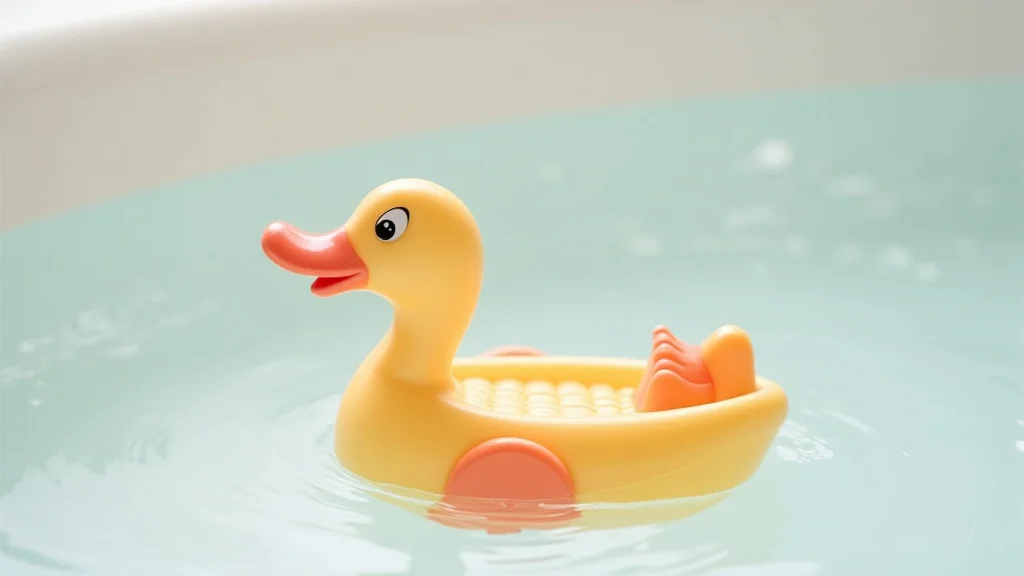
Age is a very important part of selecting the right bath toys. Toys that are good for babies are not the same as toys that are good for older children. For younger toddlers (1-2 years), simple toys such as rubber ducks, stacking cups, and floating boats are great. They are easy to grab, safe, and support early development. As your child grows (2-3 years), they will be ready for more complex toys. This might include toys that squirt water, pouring toys, and simple water-play sets. By keeping your child’s age in mind, you will ensure the toys are safe and give them the best support for their development.
- 1-2 Years: Choose simple toys like rubber ducks, floating boats, and stacking cups to support early development.
- 2-3 Years: Select toys that can squirt water, pouring toys, and basic water-play sets to encourage more complex play.
- 3+ Years: Offer more detailed toys such as water-squirting animals, building sets, and creative toy sets.
Prioritizing Fun and Engagement
The goal of bath toys is to make bath time fun and engaging for your toddler. Find toys that match your child’s interests and personality. If they like animals, consider bath toys that feature their favorite creatures. If they enjoy building, building blocks or stacking cups may be a good choice. Adding a mix of toy types, like water-squirting toys, floating toys, and interactive sets, keeps bath time exciting. It also provides different experiences and opportunities for play. Regularly introduce new toys to keep bath time fresh and engaging. This creates a positive and enjoyable experience for your child.
- Matching Interests: Choose toys that feature your child’s favorite themes, like animals, cars, or characters.
- Variety of Toys: Add a variety of toy types, like water squirters, floating toys, and interactive sets.
- Interactive Features: Look for toys that encourage play, such as those that change colors or make sounds.
- Rotate Toys: Introduce new toys regularly to keep bath time exciting and interesting.
Considering Durability and Ease of Cleaning
Durability and how easy a toy is to clean are very important. Choose toys made from strong materials that can handle regular use and exposure to water. Look for toys that are easy to wipe down or wash after each bath. Choose toys made from non-porous materials that don’t absorb water, which can prevent mold and mildew growth. Toys that are simple to clean will save you time and help keep a healthy bath environment. Toys that dry quickly help reduce the risk of mold. Regular cleaning is a must for ensuring the longevity and safety of your child’s toys.
- Durable Materials: Choose toys made of strong, sturdy materials that withstand regular use.
- Easy to Clean: Select toys that can be easily wiped down or washed after each bath.
- Non-Porous Materials: Opt for toys made from non-porous materials. These prevent water absorption and mold.
- Quick Drying: Consider toys that dry quickly to minimize mold and mildew growth.
Creative Play Ideas for Bath Time
Bath time can be a playground for creativity and fun! Use your imagination to make bath time more engaging and fun for your toddler. You can develop fun activities that encourage creative play. Creating themed baths, like an ocean adventure or a farm scene, is a great option. Make up stories to go with the toys, or create races using floating toys. Get creative and find new activities to encourage creativity and fun in the bath.
Creating Themed Bath Adventures
Transforming bath time into a themed adventure can make it very enjoyable. Choose a theme that matches your child’s interests, such as an ocean exploration or a farm scene. For an ocean theme, use blue bath crayons, and add floating toy boats. Provide toy creatures such as fish and sea turtles. For a farm theme, have some animals and toy farm animals. Use green soap or bath bombs to resemble grass. Encouraging imaginative play like this encourages creativity and makes bath time a very fun learning experience.
- Ocean Adventure: Use blue bath crayons, floating toy boats, and sea creatures to explore under the sea.
- Farm Scene: Bring toy farm animals, green soap, and bath toys representing fields for a farm-themed bath.
- Construction Zone: Offer toy construction vehicles.
- Jungle Expedition: Use bath toys that represent jungle creatures to enhance imagination.
Playing Educational Games
Combine fun and learning in bath time with educational games. Teach your child about numbers by counting bath toys or filling cups with water. Introduce colors by identifying the colors of different toys. Practice letters by writing with bath crayons on the tiles. Make up simple science experiments like sinking and floating toys. Encourage them to sort toys by size, shape, or color. Educational games create a fun learning environment. This promotes cognitive development while keeping bath time fun and engaging. These are excellent ways to boost learning through play.
- Counting Games: Count bath toys, bubbles, or the number of times they splash.
- Color Recognition: Identify the colors of various bath toys and bubbles.
- Letter Play: Use bath crayons to write letters and words on the walls.
- Sorting Activities: Encourage the child to sort toys by size, shape, or color.
Encouraging Imaginative Storytelling
Use bath time as a chance to encourage imaginative play and improve language skills. Have your child make up stories about the bath toys. You can invent different scenarios about the toys, like an underwater exploration or a rescue mission. Encourage your child to give the toys voices and act out different scenes. This also helps with communication. Let your child guide the story and contribute their ideas. Imaginative storytelling promotes creativity, language development, and a shared experience. This builds a strong bond.
- Character Development: Give each toy a personality.
- Scenario Creation: Make up different scenarios and situations the toys can go through.
- Voice Acting: Let your child give voices to each toy to make it more realistic.
- Collaborative Storytelling: Make a shared story that you and your child can develop together.
Common Myths Debunked
Myth 1: All bath toys are safe for toddlers.
Reality: Not all bath toys are created equal. Some toys may contain harmful materials, like BPA or PVC, or may be prone to mold and mildew. It’s important to research toy materials and brands, as well as to check for certifications. Always supervise playtime to ensure safety.
Myth 2: Expensive toys are always better.
Reality: The price of a toy does not ensure its quality or safety. Many affordable toddler bath toys are just as good, or even better, than high-end options. Look at the materials, safety features, and reviews, rather than the price.
Myth 3: Bath toys can’t spread germs.
Reality: Bath toys can collect bacteria and mold. Proper care, like rinsing, cleaning with soap and water, and allowing toys to dry, is important to prevent contamination. Regular cleaning prevents germs from growing and helps keep toys sanitary.
Myth 4: Toddlers are too young to understand or enjoy educational toys.
Reality: Toddlers are capable of learning and interacting with educational toys. Simple educational toys that encourage problem-solving and enhance motor skills can be a great addition to bath time.
Myth 5: All bath toys are made to last.
Reality: Not all bath toys are designed to last. Wear and tear are normal. Regularly inspect the toys to look for any signs of damage like cracks. This is essential for safety. Also, exposure to water and the chemicals in soap can deteriorate toys over time.
Frequently Asked Questions
Question: How often should I clean my toddler’s bath toys?
Answer: Clean bath toys after each use by rinsing them thoroughly. Do a deeper clean with warm soapy water at least once a week.
Question: Are there any specific materials I should avoid when buying bath toys?
Answer: It’s best to avoid toys made with PVC or those with a strong chemical odor, as these may contain harmful chemicals.
Question: Can I use bleach to clean my toddler’s bath toys?
Answer: Bleach is not recommended due to possible health concerns. You can use a mix of water and vinegar to get rid of mold and mildew.
Question: What should I do if I find mold inside a bath toy?
Answer: If you find mold, discard the toy immediately. Do not try to clean it, as the mold may be hard to remove.
Question: Are bath toys with holes better or worse than toys without holes?
Answer: Toys without holes are generally better because they do not trap water. This reduces the risk of mold growth.
Final Thoughts
Finding the perfect toddler bath toys isn’t about the cost or trendiness of a toy; it is about safety, engagement, and fun. It’s about selecting toys made from safe materials. The most important thing is to make sure the toys are age-appropriate and easy to clean. Think about your child’s interests and developmental stage when picking out the toys. These simple steps can make bath time a fun learning experience. By doing so, you will ensure a positive and safe experience for you and your child. Consider the ideas in this article to provide endless possibilities for bath time creativity, imagination, and learning.