Picture this: You’re halfway through making dinner, and your toddler decides to “help” by emptying every toy bin onto the living room floor. Sounds familiar? Keeping a handle on the chaos that comes with toddlers and toys can feel like an endless battle. This post offers practical solutions and insights into creating effective toddler toy storage systems that will save your sanity and help teach your child about organization. You’ll gain strategies to declutter, organize, and maintain a tidy play area, making playtime enjoyable for everyone. Let’s explore how to make toddler toy storage easier!
Key Takeaways
- Discover practical storage solutions suitable for different spaces and budgets.
- Learn how to declutter effectively and involve your toddler in the process.
- Understand the importance of age-appropriate storage and accessibility.
- Explore creative organizing ideas to maximize space and minimize mess.
- Find tips on maintaining a tidy play area long-term.
- Get inspired to create a fun and organized play environment for your child.
Choosing the Right Toddler Toy Storage Systems
Selecting the correct storage options is the first step towards a tidier play area. The ideal systems depend on your available space, the types of toys your child has, and your personal organizational preferences. Consider factors like ease of access for your toddler, the durability of the storage units, and how well they blend with your home décor. Different types of storage solutions are available, from bins and baskets to shelves and cabinets, and each has its own benefits and drawbacks. Take into account the number and type of toys you have and choose what works best for your family’s lifestyle. Consider the room where you’ll be storing toys; is it a small bedroom or a large playroom? The size of the area will inform your decisions.
Baskets and Bins for Easy Toy Access
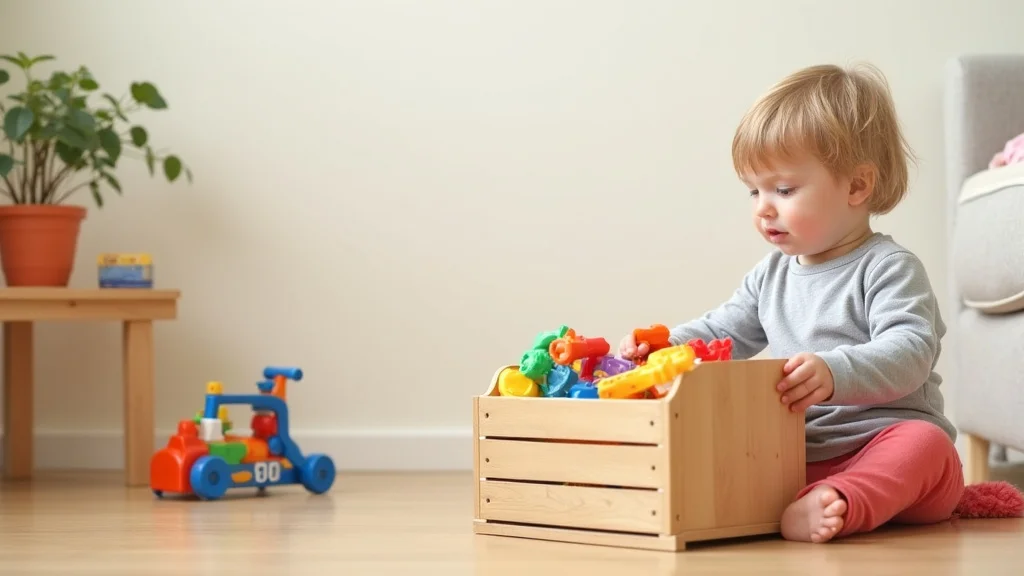
Baskets and bins are versatile and user-friendly toddler toy storage options. They allow children to easily see and reach their toys, encouraging independent play and clean-up habits. Consider using clear bins so your toddler can quickly identify what’s inside, or label opaque bins with pictures or words to help with toy identification. Choose bins made from durable, non-toxic materials, and select sizes that fit well within your available storage space. Baskets provide a more decorative approach and can work well for soft toys or items that don’t need to be contained. Bins and baskets can be arranged on shelves, in closets, or even directly on the floor for easy access.
- Durability: Select bins made from sturdy materials like plastic or fabric to withstand daily use. Look for options that can endure being thrown or pulled.
- Accessibility: Opt for open bins or bins with easily removable lids. This allows toddlers to reach their toys without assistance.
- Variety of Sizes: Different sizes and shapes can accommodate a range of toys, from small blocks to larger stuffed animals. Mix and match for better organization.
- Portability: Some bins have handles, allowing them to be carried from room to room. This can be useful for keeping toys accessible throughout the house.
Shelving Units for Display and Organization
Shelving units offer a fantastic way to both store and display toys. They allow you to organize toys by type, size, or category, making it easier for your toddler to find what they’re looking for. Shelves also provide an opportunity to create a visually appealing play space. Using a combination of open shelving and closed storage (e.g., bins or drawers) can help strike a balance between accessibility and tidiness. Ensure shelves are securely mounted to the wall, especially if you have a young child who might try to climb them. Adjustable shelves are useful as your child grows, allowing you to change the storage layout as their needs evolve.
- Visual Appeal: Shelving units can add a decorative element to the play area, enhancing the overall look of the room. Organize toys creatively on the shelves to make the space inviting.
- Space Efficiency: Shelving maximizes vertical space, making it a good choice for smaller rooms or homes with limited storage.
- Accessibility: Place frequently used toys on lower shelves so that your toddler can reach them easily. Reserve higher shelves for items that are less frequently played with.
- Storage Versatility: Shelves can be combined with bins, baskets, and drawers for added storage options and to help keep toys organized.
Toy Chests and Storage Ottomans for Multi-Purpose Storage
Toy chests and storage ottomans are great multi-purpose toddler toy storage solutions. They provide ample space for storing toys while also serving as a seat or footrest. Look for toy chests with safety features, like a slow-closing lid, to prevent injuries. Storage ottomans offer a stylish way to conceal toys and can be easily moved around the room. Consider using these items to store larger toys, blankets, or items that aren’t used frequently. Ensure the chosen item fits with the decor of your room and suits your needs. Safety is key, so choose options with smooth edges and durable construction.
- Multi-Functional: They function as both storage and seating, saving space and providing convenience.
- Ample Storage: They provide significant storage space, ideal for larger toys, stuffed animals, and other bulky items.
- Aesthetic Appeal: They come in a variety of styles, colors, and designs, adding a decorative touch to the room.
- Safety Features: Consider toy chests with slow-closing lids to prevent fingers from being pinched and storage ottomans with rounded corners to avoid injuries.
Decluttering and Organizing Toddler Toys
Decluttering is an essential step towards creating an organized play area. Regularly decluttering helps maintain a manageable amount of toys, making it easier for your toddler to focus on playing and cleaning up. Involve your child in the process, as this teaches them valuable skills such as decision-making and the importance of keeping things tidy. Consider setting aside time regularly to remove broken or unused toys. As your child grows, their interests change, so it’s a good idea to rotate toys to keep things fresh. Donate toys in good condition or give them to friends and family. This will free up space and provide opportunity for your child to learn the concept of sharing.
Decluttering With Your Toddler
Decluttering can be a great way to bond with your toddler while also teaching them organizational skills. Start by explaining the decluttering process in simple terms they can understand. Ask your child which toys they no longer play with or have outgrown. Let them help you sort through their toys, deciding what to keep, donate, or discard. Make it a fun activity by playing music, offering small treats, or making a game out of it. Praise their decisions and emphasize the positive aspects of decluttering, like the feeling of having more space to play. Involving them in this process helps them understand the value of organization and reduces potential resistance to future clean-ups.
- Explain the Process: Explain what you’re doing in terms a toddler can understand (e.g., “We’re making space for your favorite toys!”).
- Involve Your Child: Let your child help sort through their toys and decide what to keep. Offer choices (e.g., “Do you still play with this toy?”).
- Make it Fun: Play music, offer treats, or turn decluttering into a game (e.g., “Let’s find all the red toys!”).
- Positive Reinforcement: Praise your child’s decisions and celebrate their efforts to declutter.
Toy Rotation Strategies for a Manageable Play Area
Toy rotation is a powerful method to keep your toddler’s play area organized, exciting, and prevent clutter. Instead of having all toys available at all times, rotate the toys available to your child every week or two. This prevents overstimulation and allows your child to appreciate the toys they have. Store the non-active toys in a closet or storage area. This allows you to bring out new toys when your toddler seems to be losing interest in their current collection. Toy rotation also simplifies the clean-up process, since fewer toys are available at any one time. By regularly switching out toys, you maintain a sense of novelty and excitement for your toddler, reducing the risk of boredom and keeping your play space tidy and engaging.
- Select a Group: Choose a set of toys to display, and put the rest away out of sight.
- Change the Collection: Rotate the toys every week or two, depending on your child’s interest.
- Storage of Retired Toys: Store the toys not in rotation in bins or containers, possibly in a closet or other storage space.
- Introduce New Toys: When rotating toys, consider bringing out some new or forgotten items.
Creating Zones for Different Types of Play
Creating zones for different types of play within the play area can help keep toys organized and encourage focused play. Define areas for specific activities, like a reading nook, an art station, or a building block zone. This can be as simple as placing a rug to define a space for building blocks, or using a small table and chairs to create a spot for crafts. When the toys for each activity have their designated location, cleaning up is much easier because the child can quickly identify where each toy goes. Zoning also helps children learn to transition between activities and allows them to focus better on the play at hand. By organizing play areas into distinct zones, you foster a more structured and enjoyable playtime experience.
- Define Zones: Designate areas for specific activities, like reading, art, or building blocks.
- Use Visual Cues: Use rugs, furniture, or storage solutions to define each zone.
- Store Toys in Zones: Keep the toys related to each activity in the designated zone.
- Encourage Transition: Help your child move from one activity to another with a simple instruction or transition activity.
Toddler Toy Storage Ideas for Small Spaces
Organizing toys in a small space requires creative solutions that maximize every inch of available space. Utilizing vertical space by using shelves or tall storage units is a great tactic. Consider using storage containers that can be tucked away under the bed or in a closet. Multifunctional furniture, such as ottomans with built-in storage, is also an effective choice. The goal is to make the most of every space while keeping the play area clutter-free. By using a few clever tricks, you can create a functional and enjoyable play area, even in a small home. The aim is to create storage that is easy to manage while also enhancing the room’s appearance.
Utilizing Vertical Space for Storage
Making the most of vertical space can be especially useful in smaller homes. Install shelves on the walls to store toys, books, and other items. Utilize tall storage units that reach the ceiling to maximize storage capacity. Ensure shelves and units are securely mounted to the wall, especially if children will be accessing them. Using wall-mounted storage not only saves floor space but also frees up room for play. Employ bins and baskets on shelves to help keep items organized and out of sight. By using vertical space, you can create a functional play area without making the room feel cramped. This method helps maintain a clean and tidy living space.
- Install Shelves: Install shelves on walls to store toys, books, and other items.
- Use Tall Storage Units: Employ tall storage units to maximize storage capacity.
- Secure Storage: Ensure shelves and units are securely mounted to the wall.
- Utilize Bins: Use bins and baskets on shelves to keep items organized and out of sight.
Under-Bed Storage Solutions
Under-bed storage is an excellent way to store toys in small spaces while keeping them out of sight. Purchase low-profile storage containers or bins that can easily slide under the bed. Consider using clear bins so you can quickly identify the contents. This storage method is great for infrequently used toys, seasonal items, or extra toys that need to be stored away. Under-bed storage helps keep the play area tidy and organized by making use of otherwise unused space. Be sure the containers are easy to slide in and out and that they are constructed of a durable material.
- Low-Profile Bins: Use storage containers that fit under the bed.
- Clear Containers: Use clear bins for easy identification of contents.
- Store Infrequently Used Toys: Use it for infrequently used toys or seasonal items.
- Easy Access: Ensure containers are easy to slide in and out for convenience.
Multi-Functional Furniture and Storage
Multi-functional furniture is a smart option for saving space in a smaller play area. Consider an ottoman with hidden storage, a bench with built-in storage, or a coffee table with drawers. These items provide storage space while also serving a function such as seating. A bed with storage drawers underneath is also a useful option. Choosing furniture that has more than one purpose is a great way to maximize space. You can often find stylish and practical items that match your decor. The key is to find items that meet the needs of your family and help you organize the space effectively. Furniture with storage is especially beneficial for small spaces.
- Ottomans with Storage: Ottomans function as both seating and storage.
- Benches with Storage: Benches provide seating and storage space.
- Storage Coffee Tables: Coffee tables can offer storage in the form of drawers.
- Beds with Storage: Beds with drawers provide additional storage.
Maintaining a Tidy Play Area
Once you’ve set up your toddler toy storage system, maintaining a tidy play area becomes the next goal. Establishing consistent cleaning habits is essential for long-term organization. By making cleaning up fun and involving your toddler, you will establish positive habits. Set a cleaning schedule and include your child in the process. Encourage them to return toys to their designated storage locations. By adopting these approaches, you can make the task of keeping the play area organized a part of your daily routine. This will help maintain a neat and enjoyable space for your child to play.
Establishing a Daily Clean-Up Routine
Establish a daily clean-up routine to keep the play area tidy. Make clean-up a consistent part of the day, such as before dinner or before bedtime. Set aside a brief period for putting away toys. Lead by example and participate in the clean-up with your toddler. Make it a fun activity by playing music, singing a song, or setting a timer to make it a game. Ensure that all toys have their designated storage locations. Regularly review the storage systems to ensure they still work and make any necessary adjustments as needed. A consistent clean-up routine helps your toddler develop positive habits and maintains an organized play area.
- Choose Times: Select times for cleaning up toys, like before dinner or bedtime.
- Keep it Short: Set a time limit to make the clean-up manageable and avoid boredom.
- Make it Fun: Put on music, sing a cleanup song, or offer rewards.
- Involve Your Toddler: Encourage your child to participate and make it a joint activity.
Teaching Your Toddler to Clean Up
Teach your toddler to clean up their toys by making it a positive and engaging experience. Demonstrate how to put toys away properly, and make sure that toys have clear and designated homes. Break down the clean-up process into simple steps that your toddler can understand. Offer praise and encouragement when they participate. Avoid criticism, and instead, focus on the positive aspects of the clean-up. Turn the process into a game, such as a race or a scavenger hunt. Provide rewards to motivate them and teach them the habit of putting things away after play. Keep in mind that consistency and patience are essential.
- Model the Behavior: Show how to put toys away correctly and lead by example.
- Simple Steps: Break down the clean-up process into manageable steps.
- Offer Praise: Praise your toddler’s efforts and positive actions.
- Make it Fun: Turn cleaning into a game to keep the process engaging.
Regularly Review and Adjust Your Storage Systems
Regularly review and adjust your storage systems to ensure they continue to meet your family’s needs. As your child grows, their interests change, so you might need to reorganize the play area. Consider rotating toys to keep things fresh, and declutter toys that are no longer used. Examine the storage systems to see if they are still working, and identify any issues, such as difficulty accessing toys or not enough space. Making these adjustments will help you maintain an organized and functional play area. Evaluate your storage systems, make improvements, and get your toddler involved in the process.
- Assess Needs: Review the play area to determine whether the storage still works.
- Toy Rotation: Consider rotating toys as the child’s interests evolve.
- Declutter Regularly: Declutter toys to remove those no longer used.
- Make Adjustments: Make changes to storage as your child grows.
Common Myths Debunked
Myth 1: You Need a Dedicated Playroom to Organize Toys.
You don’t need an entire room dedicated to play to maintain a tidy play area. With creative storage solutions and a bit of planning, you can organize toys effectively in any space, including a living room, bedroom, or even a corner of the house. The key is to optimize the available space and make use of storage strategies like multi-functional furniture, vertical storage, and under-bed storage.
Myth 2: Toddlers are Too Young to Help Clean Up.
Toddlers can definitely participate in clean-up! Even at a young age, they can learn to put toys in bins, help sort, and understand where things belong. Break down the task into small, manageable steps. Turning clean-up into a fun game with rewards can help make it an enjoyable experience for the child.
Myth 3: More Toys Mean More Fun for a Toddler.
Having too many toys can actually lead to overstimulation and make it harder for a toddler to focus on any one toy. Toy rotation is a proven method to counter this, introducing new toys as older ones are stored. Fewer toys often lead to more imaginative and engaged play.
Myth 4: Expensive Storage Solutions Are Necessary for Organization.
While attractive storage solutions can be useful, you do not need to spend a lot of money to organize your child’s toys. Inexpensive options like bins, baskets, and repurposed items from around the house can be just as effective. DIY projects can also provide cost-effective and tailored storage solutions.
Myth 5: Organizing Toys Is a Time-Consuming Task.
It can seem like a lot of work initially, but setting up a well-organized toy storage system and establishing a consistent clean-up routine will save you time in the long run. By involving your child in the process, clean-up becomes a part of their daily routine, reducing the overall time spent tidying up.
Frequently Asked Questions
Question: What are the best materials for toddler toy storage?
Answer: Durable, non-toxic materials like plastic, fabric, and wood are the best for toddler toy storage. These materials will endure everyday use.
Question: How often should I declutter my toddler’s toys?
Answer: It’s best to declutter toys regularly, perhaps every few months or as your child’s interests change. You can also declutter during a toy rotation.
Question: What if my toddler doesn’t want to clean up?
Answer: Make clean-up fun by turning it into a game, singing songs, and offering small incentives. Demonstrate how to do it and make it a consistent routine.
Question: How can I keep the play area organized long-term?
Answer: Establish a daily clean-up routine, involve your child in the process, and regularly review and adjust your storage systems.
Question: Is it necessary to label toy storage bins?
Answer: Labeling bins is helpful, especially for toddlers who are learning to read. Use pictures, words, or both to help them know where toys belong.
Final Thoughts
Creating effective toddler toy storage solutions doesn’t have to be a complicated task. It’s about finding the right balance between functionality, accessibility, and aesthetics, while considering the size of your space and your child’s age. By selecting appropriate storage options, implementing an effective decluttering process, and establishing a consistent clean-up routine, you can create an organized, inviting play area that fosters fun and encourages your child’s organizational skills. Remember to involve your toddler in the process, teaching them valuable skills while making it enjoyable. With some creativity and commitment, you can establish a tidy play area that benefits both you and your child.