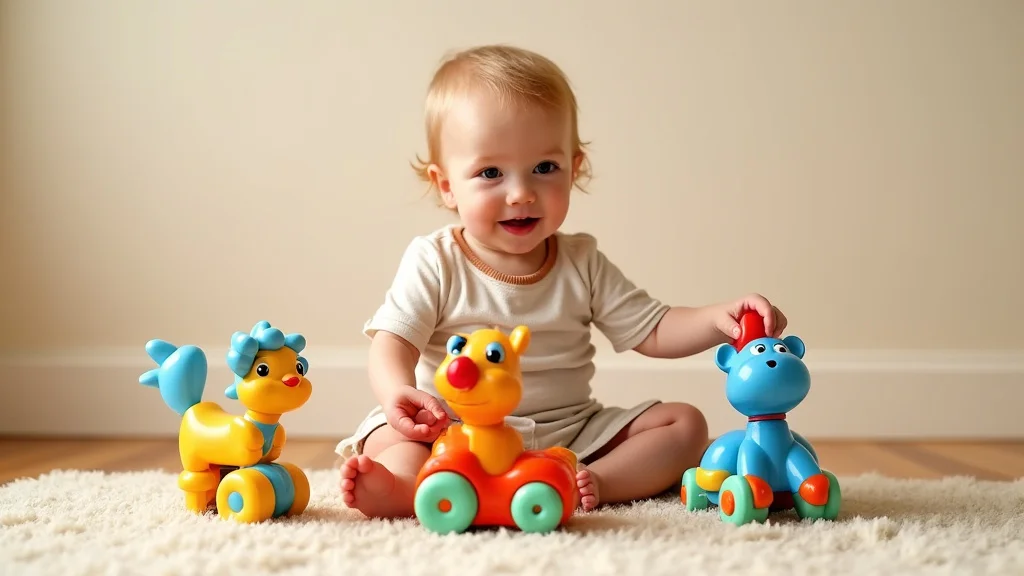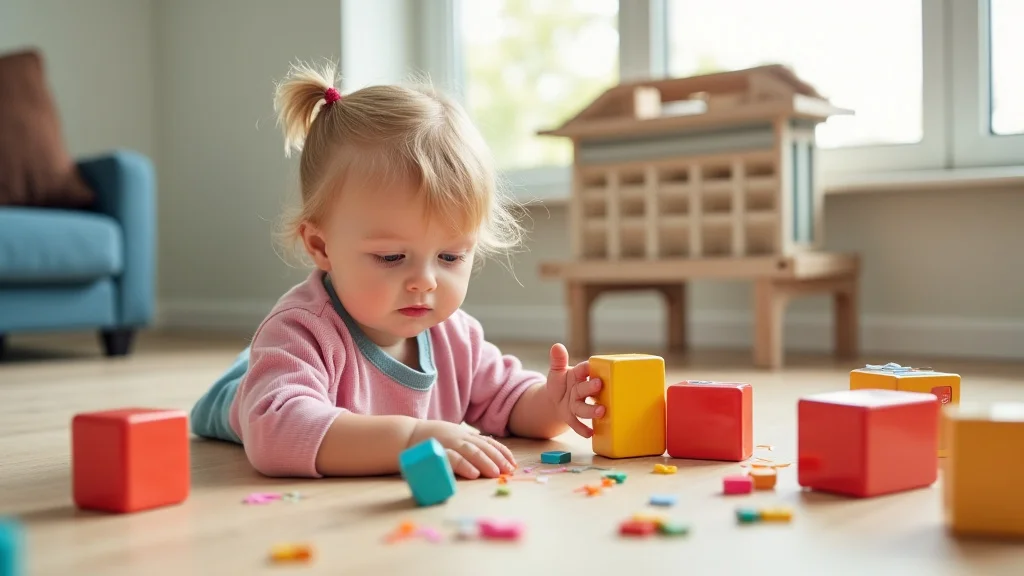
Picture this: a sea of colorful chaos, giggling, and the enthusiastic exploration of a 2-year-old. You’re searching for the perfect gift, a way to spark joy and foster growth. It can be overwhelming! This guide explores the fascinating toddler boy toys that provide both entertainment and educational value. We’ll explore various types of toys, their benefits, and what to consider. Get ready to discover the perfect playtime companions and make informed decisions for your little one, improving their playtime and expanding your knowledge of the best choices.
Key Takeaways
- Discover the critical importance of age-appropriateness when selecting toddler boy toys.
- Learn about the different types of toys and their developmental benefits.
- Find tips on selecting toys that encourage creativity, problem-solving, and social skills.
- Understand how to ensure toy safety and choose durable, high-quality options.
- Explore examples of the best toys for different age ranges.
- Gain a better understanding of how toys impact a toddler’s development.
Choosing Age-Appropriate Toys for Toddler Boys
The first step in selecting the ideal toddler boy toys is understanding age-appropriateness. Toys that are too advanced can lead to frustration, while those that are too simple won’t hold a toddler’s interest. A toy’s packaging usually lists recommended ages, but it’s essential to consider your child’s individual development. Observe their interests, abilities, and coordination to guide your choice. Focusing on a toy that aligns with their current skills will create a more enriching experience for them. Always supervise younger toddlers, even with toys that are labeled as age-appropriate.
The Importance of Age Recommendations
Toy manufacturers provide age recommendations for good reason. These suggestions take into account a toy’s complexity, potential choking hazards, and how well it supports a child’s stage of development. For example, a toy with small parts is not suitable for a toddler who still puts items in their mouth. Similarly, a puzzle designed for older children might be too challenging for a toddler, leading to disinterest. Following these guidelines helps ensure safety and optimizes the play experience. This makes playtime fun and educational, setting a strong foundation for future learning. Always check the toy’s label for specific age recommendations.
Consider the different developmental stages in your child’s life. Toddlers progress at their own speed. Some 18-month-olds might be ready for more complex toys than others. Always keep a close eye on your child and adapt accordingly. If a toy seems too difficult, save it for later. If a toy isn’t engaging, it might be too simple, and it’s time to find something a little more challenging. The goal is to provide a playful environment that fosters growth and supports their unique personality.
Toy Safety: Key Considerations
Safety is paramount when selecting toys for your toddler. Look for toys that are made from non-toxic materials and are free of sharp edges or small parts that could present a choking hazard. Toys should be sturdy and durable to withstand rough play and should meet or exceed safety standards set by organizations. Regularly inspect toys for any damage.
- Size Matters: Avoid toys with small parts that could be swallowed.
- Material Matters: Opt for toys made from non-toxic, durable materials.
- Durability Testing: Check for sturdy construction to withstand rough handling.
- Regular Inspections: Inspect toys frequently for wear and tear.
- Age-Specific Designs: Match the toy to the child’s developmental stage.
Always keep a watchful eye during playtime, and be aware of potential hazards. Teach your child about toy safety as part of their playtime routines. Toys should always be clean. Regularly wash or wipe down toys to prevent the spread of germs. By following these safety guidelines, you can ensure a safer and more enjoyable playtime experience for your toddler. When in doubt, always err on the side of caution. If a toy seems questionable in any way, choose another option.
Types of Toys and Their Developmental Benefits
The right toys can significantly contribute to a toddler’s development across a variety of areas, including cognitive skills, fine motor skills, social skills, and imaginative play. From building blocks that foster spatial reasoning to puzzles that encourage problem-solving skills, each toy category offers unique benefits. Understanding these benefits can help you choose toys that support your child’s overall growth and learning. This variety in toys also keeps playtime interesting and stimulates their growing minds.
Building Blocks and Construction Toys
Building blocks, such as wooden blocks or large plastic bricks, help toddlers develop spatial reasoning, hand-eye coordination, and problem-solving skills. The act of stacking, arranging, and creating structures encourages creativity and logical thinking. These toys promote early engineering skills, as children explore concepts like balance and stability. Building blocks also provide opportunities for imaginative play as children create their own worlds and stories. The different sizes and shapes of building blocks encourage the development of fine motor skills as toddlers grasp, manipulate, and assemble them.
- Spatial Reasoning: Building blocks help children develop a sense of space.
- Fine Motor Skills: Manipulating blocks enhances hand-eye coordination.
- Problem-Solving: Building structures requires children to overcome challenges.
- Creativity: Blocks can transform into anything a child imagines.
- Social Skills: Blocks can be used during collaborative play.
Building block toys provide endless opportunities for children to learn and grow. Start with large, easy-to-handle blocks for younger toddlers, gradually introducing smaller or more complex sets as they develop. Encourage your child to experiment, build, and explore. Avoid correcting them. Instead, foster a supportive environment to boost their confidence and celebrate their achievements. This exploration can foster early STEM interests and introduce the fundamental concepts of engineering.
Puzzles and Shape Sorters
Puzzles and shape sorters are excellent tools for developing problem-solving skills, hand-eye coordination, and spatial awareness. Completing a puzzle requires children to identify shapes, match them to their corresponding spaces, and think critically to find the right fit. Shape sorters teach toddlers about shapes, colors, and the relationship between objects. The act of manipulating pieces and fitting them into the correct spots helps refine fine motor skills and boosts the skills they use as they grow. Puzzles and shape sorters provide a fun, engaging way to introduce foundational math concepts.
- Problem-Solving: Puzzles teach children to approach challenges.
- Shape Recognition: Shape sorters help children learn shapes.
- Fine Motor Skills: Manipulating puzzle pieces enhances hand-eye coordination.
- Spatial Awareness: Puzzles boost spatial reasoning skills.
- Concentration: These toys improve focus and attention spans.
Start with simple puzzles that have large pieces and fewer elements, like basic animal or shape puzzles. Gradually move to more complex puzzles as your toddler develops their skills. Encourage them to try different approaches, and offer assistance as needed. Shape sorters should be easy for a child to use and not cause them frustration. These types of toys are a good way to introduce the idea of perseverance and accomplishment. These toys also help build their self-confidence and their ability to solve problems.
Ride-On Toys and Push Toys
Ride-on toys and push toys contribute to developing gross motor skills, coordination, and balance. Ride-on toys, like push cars or scooters, encourage active play and promote physical activity. Push toys, such as wagons or push walkers, help toddlers develop the strength and coordination needed for walking. These toys offer opportunities for outdoor and indoor play, encouraging kids to move and explore their environment. Ride-on and push toys can boost physical development.
- Gross Motor Skills: Riding and pushing toys improves large muscle skills.
- Coordination: These toys enhance hand-eye coordination.
- Balance: Maintaining balance on ride-on toys improves stability.
- Independence: Ride-on toys often give a sense of independence.
- Outdoor Fun: Push and ride-on toys can encourage outdoor activities.
Select ride-on and push toys that are suitable for your child’s age and abilities. Make sure the toys have safety features, such as a stable base or a low center of gravity. Ensure a safe play area, free from obstacles or hazards. Supervise your child during play, especially when using ride-on toys. These toys encourage physical activity, which is essential for a toddler’s development. Always choose toys designed to be durable and stable for the safety of your child.
Toys That Promote Creativity and Imagination
Toys that encourage creative play and imagination are a critical component of a toddler’s development. These toys help children explore their emotions, develop communication skills, and boost problem-solving abilities. Creative play also allows children to explore different roles and situations, fostering empathy and social awareness. These experiences set the base for artistic expression and critical thinking. The value of creative play is high, and encouraging it supports a child’s development.
Art Supplies and Craft Kits
Art supplies like crayons, markers, paints, and playdough stimulate creativity and self-expression. Craft kits designed for toddlers, with large pieces and simple instructions, can encourage fine motor skills and artistic exploration. Providing a safe, dedicated space for art projects allows toddlers to explore colors, textures, and shapes. Art activities support hand-eye coordination, improve cognitive function, and cultivate an appreciation for the arts. These tools also allow toddlers to express emotions.
- Self-Expression: Art allows children to express feelings and ideas.
- Fine Motor Skills: Using crayons and paintbrushes enhances coordination.
- Color Recognition: Learning about colors helps children expand their knowledge.
- Imagination: Crafting stimulates creative thinking and storytelling.
- Creativity: Encouraging art fosters originality and innovation.
Choose art supplies that are non-toxic and easy to clean, such as washable markers and paints. Set up a designated art space with an easy-to-clean surface and storage for supplies. Supervise your child, and guide them with simple art projects. Offer a variety of materials and encourage them to experiment. Don’t focus on the outcome. Instead, promote the process of exploration and self-expression. Art can be a relaxing and enjoyable activity. Art activities allow a child to express their creativity.
Dress-Up Clothes and Role-Play Toys
Dress-up clothes, such as costumes or accessories, help toddlers explore different roles and develop their imaginations. Role-play toys, such as toy kitchens, doctor kits, or tool sets, encourage toddlers to imitate adults and engage in imaginative play. These toys foster communication skills, social skills, and emotional development. Role-play toys offer the opportunity to experiment with different personas. These experiences help children learn about the world around them. Children often recreate scenarios they see around them. Role-playing is a critical component of healthy development.
- Imagination: Dress-up stimulates creative thinking.
- Social Skills: Role-playing helps children relate to others.
- Communication: Playing different roles expands their vocabulary.
- Emotional Development: Exploring different characters allows children to express feelings.
- Empathy: Role-playing can foster compassion and concern for others.
Provide a variety of dress-up clothes and role-play toys. Encourage your child to create their own stories and scenarios. Join them in their play to model social interactions and enrich their experiences. Allow them to take the lead in choosing characters and scenarios. Creating a dedicated play area, such as a toy kitchen in a corner, is a wonderful addition to your child’s playtime. This allows them to create their world.
Choosing Durable and High-Quality Toys
When selecting toddler boy toys, the toy’s quality is just as important as the developmental benefits. High-quality toys are more likely to last through rough play, ensuring they offer ongoing value. Durability ensures that toys can withstand everyday use. Quality toys can be passed down to siblings or other children. Prioritizing quality and durability will save money and reduce waste.
Materials and Construction
The materials a toy is made from significantly impact its durability and safety. Opt for toys made from durable, non-toxic materials, like wood, sturdy plastic, or fabric. Check for sturdy construction with well-secured parts. Avoid toys with small, easily detachable pieces. Toys made of safe materials and constructed with durability in mind will last a long time. These toys are built to withstand enthusiastic playtime. Quality materials also provide assurance of safety for your child.
- Wood: Wooden toys are often very durable.
- Plastic: Sturdy plastic toys are a great choice.
- Fabric: Stitched fabric toys are great for active play.
- Construction: Check for sturdy construction.
- Safety Standards: Choose toys that meet safety requirements.
Always examine the toy’s materials and construction before purchase. Read reviews and seek out trusted brands. Inspect the toy regularly for wear and tear, and replace it if it shows damage. When choosing the materials used, it is important to check the toy’s label. Look for certifications and symbols on toys to ensure they meet safety requirements. This helps ensure that the toys are safe and durable, providing years of playtime. Durable toys can provide years of enjoyment.
Brand Reputation and Reviews
Researching brand reputation and reading customer reviews can provide valuable insights into a toy’s quality and durability. Trusted brands often have a history of producing high-quality, safe toys that meet or exceed safety standards. Customer reviews offer insights into the toy’s performance, durability, and the overall satisfaction of other parents. Take the time to gather information about your purchase. Consider these factors before making your final decision. Brand reputation is a reliable guide. Consider the reputation of the company.
- Brand History: Look at the history of the company.
- Customer Reviews: Read real-world reviews from other parents.
- Safety Certifications: Does the brand follow safety certifications?
- Materials: Are quality materials used in the toy?
- Warranty: Is the toy under warranty, offering assurance?
Before purchasing a toy, search for reviews from other parents or trusted sources. Pay attention to feedback regarding durability, safety, and the toy’s longevity. This step is important for making informed purchasing choices. Good customer reviews demonstrate reliability. Brand reputation and reviews provide valuable assurance. Making an informed choice ensures a positive experience.
Common Myths Debunked
Frequently Asked Questions
Question: At what age should I introduce building blocks?
Answer: Building blocks can be introduced as early as 12 months, using large, easy-to-handle blocks. Supervise your toddler.
Question: Are wooden toys better than plastic toys?
Answer: Both can be great. Wooden toys are often more durable. Plastic toys are easy to clean. Consider what best suits your child’s play style.
Question: How can I encourage my child to play with a new toy?
Answer: Show them how to use it, play with them, and make it fun. Let them explore the toy at their own pace.
Question: How often should I clean my toddler’s toys?
Answer: Clean toys frequently. Wipe down toys after each use. Wash soft toys once a week.
Question: What’s the best way to choose toys for a gift?
Answer: Consider the child’s age, interests, and safety. Choose toys that encourage learning and play.
Final Thoughts
Choosing the right toddler boy toys is an investment in your child’s growth. Remember that age-appropriateness, safety, and durability are the foundation of your search. Consider the various developmental benefits of each toy type, from building blocks to dress-up clothes. By prioritizing quality and looking at reviews, you can pick toys that last and offer years of play. Don’t be afraid to try different toys. Play along with your toddler. Observe what sparks their interest and supports their unique personality. Watch them learn and grow through playful experiences. By selecting the right toys, you’re not just giving them something to play with. You’re giving them tools that nurture their minds and foster their imagination. Happy playing!