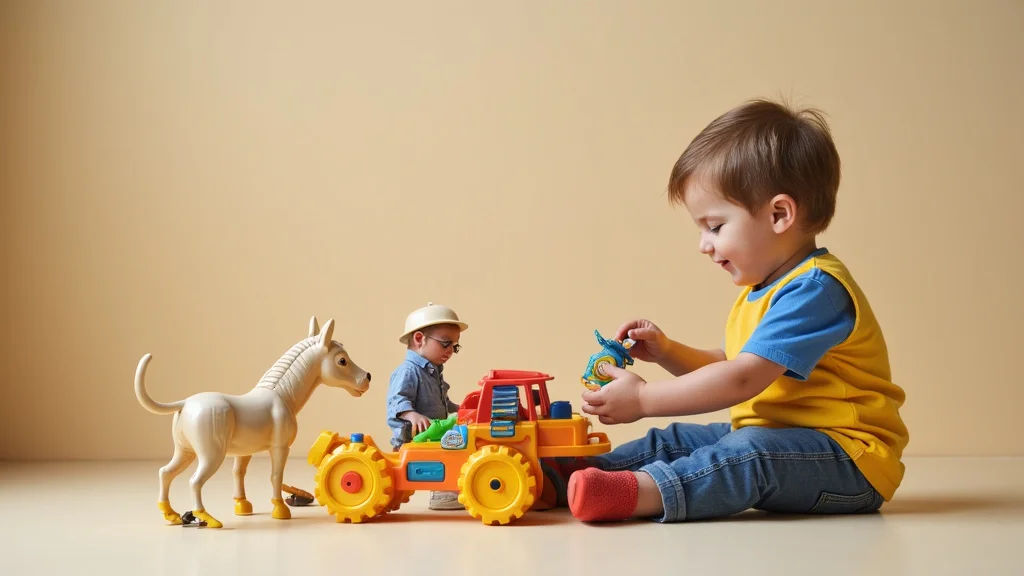
Remember that time your little guy pulled himself up for the first time? It’s amazing how quickly they grow! As your son turns one, it’s a huge milestone. Now, you’re probably looking for the perfect toddler boy toys age 1 to keep him entertained and help him learn. This guide will explore safe, engaging toys that spark joy and support your little one’s development. You’ll discover what to look for, how to choose the right toys for this stage, and gain confidence in making informed decisions about playtime.
Key Takeaways
- Learn the importance of age-appropriate toy selection for toddler development.
- Discover a variety of toy categories, from blocks to ride-on toys, ideal for one-year-olds.
- Understand the safety standards and features to prioritize when choosing toys.
- Find insights into fostering your toddler’s physical, cognitive, and social-emotional skills through play.
- Gain a better idea of how to pick educational toys that are also engaging and fun.
- Explore some of the best-rated toys for one-year-old boys available in the market.
Choosing Toys for Your One-Year-Old
At age one, your son is rapidly developing. His curiosity is soaring, and he’s eager to explore the world around him. This is an incredible time for learning through play. When picking out toys for your little guy, keep in mind his emerging skills and interests. Think about toys that encourage movement, problem-solving, and sensory exploration. Look for toys that are easy for small hands to grasp and manipulate. Also, prioritize toys made from safe, non-toxic materials. The goal is to provide a rich and stimulating environment that nurtures his development.
Prioritizing Safety and Materials
Safety should be your first concern. At this age, everything goes into the mouth! Look for toys made from non-toxic materials, like BPA-free plastic or natural wood. Make sure any paint or finishes are lead-free. Check for small parts that could be a choking hazard. Toys should be sturdy and durable to withstand rough handling. Look for certifications that demonstrate adherence to safety standards, like ASTM F963 (for US) or EN71 (for Europe). Toys with rounded edges and soft textures are also ideal. The packaging should clearly state the recommended age range. Regular checks for any wear and tear, or damage, are crucial to ensure continued safety. This attention to detail will keep your son safe and allow him to enjoy playtime without worry.
- Material Safety: Ensure toys are made from non-toxic, BPA-free plastic or natural, untreated wood. Check for lead-free paint.
- Choking Hazard Prevention: Avoid toys with small parts. Look for toys that are too large to fit through a toilet paper tube.
- Durability and Construction: Choose toys built to withstand rough play and handling. Look for sturdy designs with no sharp edges.
Many common plastics contain chemicals that may pose health risks. BPA is a chemical found in some plastics that can affect development. Natural wood toys provide a safe, non-toxic alternative. Using lead-free paint guarantees your child isn’t exposed to harmful substances. The choice of materials impacts your child’s well-being and is an essential consideration when choosing toddler boy toys age 1.
One-year-olds explore the world with their mouths, so any small pieces pose a serious choking hazard. This is a crucial safety precaution. Small pieces detached from a toy can block the airway. This is why toys need to be designed with safety as a priority. This way, your son can play without endangering his safety.
One-year-olds are still developing their fine motor skills. Toys need to endure everyday use. Durable construction reduces the risk of toys breaking into pieces that could be dangerous. Toys with rounded edges and smooth surfaces are less likely to cause injuries. Durable toys provide lasting value and extend playtime. This way, your son can fully enjoy his toddler boy toys age 1.
Developmental Stages and Toy Selection
One-year-olds are experiencing huge cognitive and physical advancements. Their gross motor skills are improving, allowing them to walk, run, and climb. They start to understand cause and effect, and their language skills are rapidly developing. Toys should support these developmental areas. Toys that encourage movement, such as push-and-pull toys, help with mobility. Toys that involve problem-solving, such as shape sorters, boost cognitive abilities. Simple books and toys that mimic sounds and speech stimulate language skills. By matching the toys to his development, you foster his growth and increase his enjoyment of playtime.
- Gross Motor Skills: Choose toys that promote movement like push-and-pull toys, ride-on toys, and balls.
- Fine Motor Skills: Consider toys that encourage hand-eye coordination and manipulation such as stacking rings, blocks, and shape sorters.
- Cognitive Development: Select toys that introduce problem-solving, like shape sorters, or memory skills, like matching games.
At age one, boys are learning to crawl, walk, and run. Toys that encourage movement are perfect. Push-and-pull toys help develop balance and coordination. Ride-on toys offer a fun way to improve leg strength. Throwing and catching balls help develop hand-eye coordination. These toys make playtime fun and contribute to physical development. By providing these toys, you are helping your son master his physical skills and enjoy active play.
Fine motor skills include the ability to use small muscles in the hands and fingers. Toys like stacking rings and blocks enable precise movements. Shape sorters help refine these skills while also teaching problem-solving. These activities improve hand-eye coordination. This helps your son develop dexterity and prepares him for activities later in life, such as drawing and writing. These toys are an amazing addition when it comes to the best toddler boy toys age 1.
One-year-olds start to grasp concepts like cause and effect. Toys that involve problem-solving or matching games boost cognitive abilities. Shape sorters teach them to identify shapes. Matching games sharpen their memory skills. These toys nurture their emerging understanding of the world. By offering such toys, you are helping your son develop problem-solving skills and enhance his cognitive abilities.
Best Toy Categories for a One-Year-Old Boy
Selecting the right categories of toys is an important part of making sure that your son is having fun while also learning. Different toys provide different benefits. From blocks, which nurture creativity, to ride-on toys, which promote movement, the variety available is great. Knowing about these different toy types allows you to provide a balanced play experience. This in turn will help you get the best toddler boy toys age 1.
Building Blocks and Construction Toys
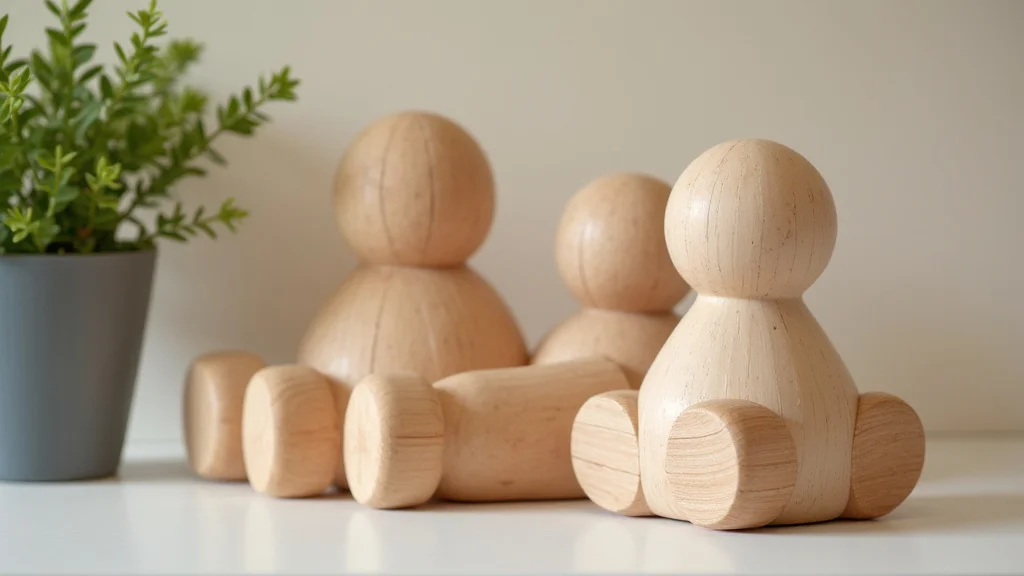
Building blocks and construction toys provide endless possibilities. They help to foster creativity and problem-solving skills. They also encourage fine motor skills. Large, chunky blocks, suitable for little hands, are a great choice. These blocks can be used to build towers, simple structures, or anything your son can imagine. This kind of play nurtures their spatial reasoning and hand-eye coordination. Building blocks are a classic toy for a reason. They provide hours of fun and learning.
- Large, Chunky Blocks: Consider large blocks that are easy for small hands to grasp and manipulate.
- Soft Blocks: Look for soft blocks that are safe and easy for toddlers to handle.
- Stacking Toys: Stacking rings or cups help develop fine motor skills and hand-eye coordination.
Big blocks allow for easy gripping and stacking, which is perfect for little hands. These blocks are usually made from safe materials. The large size reduces any choking hazard. They offer tactile stimulation while encouraging hand-eye coordination. Your son can start building with ease and confidence. This encourages a sense of accomplishment.
Soft blocks made of fabric or foam offer extra safety. They are gentle on furniture and can be squeezed and chewed without harm. They also offer a different sensory experience. Soft blocks allow safe exploration of building and playing. This gives a different tactile experience. This is a great choice when looking for the best toddler boy toys age 1.
Stacking toys require your son to stack rings or cups in size order. This teaches them about size and sequence, as well as developing hand-eye coordination and fine motor skills. This is a very rewarding activity for toddlers. They feel a sense of achievement when they complete it. This also makes them great educational toys.
Push and Pull Toys and Ride-On Toys
Push and pull toys are great for encouraging mobility and coordination. Ride-on toys provide a fun way to improve gross motor skills and balance. These toys keep your son active and help him develop crucial physical abilities. They make playtime exciting and provide a good way to use up energy. They are also a great way to introduce outdoor play. They are the perfect addition to a list of the best toddler boy toys age 1.
- Push-and-Pull Toys: Choose toys that encourage walking and help develop balance, such as push-along carts or wagons.
- Ride-On Toys: Ride-on toys, like balance bikes or push cars, offer active playtime and gross motor skill development.
- Activity Walkers: Activity walkers offer multiple activities in one toy, providing entertainment and developmental benefits.
Push-and-pull toys are designed to encourage walking. They support your son’s balance as he walks. They also give him a way to carry his toys. This helps with coordination and develops a sense of independence. They are a fun way to help him practice his new walking skills. This is a great toy for helping your little guy develop his gross motor skills.
Ride-on toys encourage active play and improve gross motor skills. Balance bikes teach balance and coordination. Push cars offer a safe way to move around. These toys are fun and promote physical activity. They get your son moving and boost his confidence and coordination. These toys are also great for outdoor adventures.
Activity walkers offer support for walking while also having interactive features like lights, sounds, and activities. This way, your son can explore various actions while improving his walking skills. This mix of activities keeps your son entertained and engaged. These kinds of toys are a great tool for supporting development during play. They are a great toy for toddler boy toys age 1.
Sensory Toys
Sensory toys provide sensory experiences that stimulate a boy’s senses. These toys support cognitive development and sensory awareness. Sensory toys help to stimulate the senses of touch, sight, and sound. They help your son to explore the world through play. These kinds of toys help your son develop sensory awareness. This can support cognitive development and provide a fun way to explore the world.
- Textured Balls: Textured balls provide tactile stimulation and encourage sensory exploration.
- Water and Sand Tables: Water and sand tables offer tactile and sensory play with safe materials.
- Musical Instruments: Musical instruments introduce sounds and promote auditory development, like simple drums or shakers.
Textured balls are designed with different surfaces. This allows your son to explore various textures. They help enhance sensory awareness. They also improve fine motor skills as your son grasps and manipulates the ball. These are a great toy for supporting tactile exploration and early motor skill development. They are a great toy to have when choosing toddler boy toys age 1.
Water and sand tables provide interactive fun and sensory experiences. They allow your son to explore the different textures and properties of water and sand. This type of play helps develop sensory awareness. They also encourage creative play and exploration. This kind of play can be done at home and supports sensory and cognitive development.
Musical toys include simple drums, shakers, and xylophones. These toys help develop your son’s auditory skills. They allow exploration of sounds and rhythms. These toys also stimulate creativity and introduce the concept of cause and effect. Musical play is fun and supports the development of his senses.
Interactive and Educational Toys
Interactive and educational toys support learning in a playful way. Toys that teach letters, numbers, and shapes encourage cognitive development. These types of toys are made to encourage learning. These toys boost your son’s knowledge and skills. They also encourage them to interact and explore the world around them.
- Shape Sorters: These toys teach shape recognition, problem-solving, and hand-eye coordination.
- Simple Puzzles: Puzzle pieces help with problem-solving and hand-eye coordination.
- Books and Storytelling Toys: Books and toys that help tell stories encourage language development.
Shape sorters are a fun way to teach shape recognition. They require your son to match shapes. This boosts problem-solving and hand-eye coordination. These toys foster cognitive skills and promote fine motor development. They also encourage critical thinking. Shape sorters are an educational and entertaining way for your son to learn.
Simple puzzles, with large pieces, help with problem-solving. This kind of toy develops hand-eye coordination and fine motor skills. As they work to solve the puzzle, they develop cognitive skills. They also build their sense of accomplishment. Simple puzzles are fun and educational. They are great for developing essential skills in an engaging way.
Books introduce the joy of reading and boost language skills. Toys that help tell stories also enhance language development. Reading aloud, or playing with storytelling toys, boosts comprehension and vocabulary. This interaction helps to stimulate your son’s imagination. These kinds of toys are a great way to bond while boosting your son’s learning and language skills.
Real-Life Examples and Case Studies
Real-life examples can help you to understand how toys work in real-world scenarios. The following examples can offer insights into the advantages of the right toy choices.
Example 1: The Building Block Breakthrough. A mom, Sarah, noticed that her son, Liam, always loved playing with his large building blocks. She started by just letting him play freely, then she added small challenges. She encouraged Liam to build a tower, and later helped him create a simple house. Liam started using more blocks each day, and Sarah saw his fine motor skills and spatial reasoning improving over time. This shows how building blocks can nurture both creativity and cognitive abilities.
Example 2: The Push-and-Pull Success. Mark’s son, Ben, was a bit hesitant to start walking. Mark got Ben a push-along wagon. Ben found the wagon helpful for stability. He started pushing it around the house. Over a few weeks, Ben gained confidence and started walking without the wagon. This shows that the right toys can build your son’s physical skills.
- Scenario 1: The Reluctant Walker. Your son is hesitant to start walking. He needs encouragement to get moving.
- Scenario 2: The Sensory Seeker. Your son is very curious and loves to explore textures and sounds.
Solution: Introduce a push-and-pull toy, like a wagon. This offers support and builds confidence. The toy motivates your son to walk and play. This boosts his coordination and motor skills.
Solution: Provide textured balls and musical instruments. These types of toys are a great way to boost sensory awareness. They encourage exploration and also nurture cognitive skills.
Statistic: According to a study by the American Academy of Pediatrics, children who engage in active play with age-appropriate toys have better motor skills and cognitive development compared to those with less access to such toys.
| Toy Type | Skills Developed | Benefits |
|---|---|---|
| Building Blocks | Fine Motor Skills, Spatial Reasoning, Creativity | Enhances problem-solving, improves hand-eye coordination |
| Push-and-Pull Toys | Gross Motor Skills, Balance, Coordination | Encourages mobility, builds confidence in walking |
| Sensory Toys | Sensory Awareness, Cognitive Development | Promotes exploration, stimulates senses, and improves concentration |
Common Myths Debunked
Myth 1: Expensive toys are always better.
In reality, the price of a toy does not determine its developmental value. Often, simple toys like blocks or basic art supplies provide amazing learning possibilities. The best toys are those that encourage exploration, creativity, and engagement. Look for age-appropriate toys, regardless of the price.
Myth 2: Educational toys are boring.
Educational toys are often thought to be dull or less fun. Many educational toys are designed to be fun and engaging! They combine learning with play. They use bright colors, sounds, and interactive features. These toys capture your son’s attention. They transform learning into a rewarding and fun experience.
Myth 3: More toys are always better.
Having too many toys can be overwhelming and decrease the child’s focus. Fewer, carefully selected toys encourage longer play sessions and more creativity. Rotate the toys to keep playtime fresh and interesting.
Myth 4: Boys don’t need “girly” toys.
There is no “boys” or “girls” when it comes to playing! Toys are meant to stimulate the imagination, not enforce gender roles. Let your son explore a wide variety of toys. This will help them develop a wide range of interests and skills. This also encourages creativity and self-expression.
Myth 5: All toys labeled “safe” are entirely without risk.
While toys are made to adhere to safety standards, accidents can still happen. Regular checks for wear and tear are very important. Always be sure to supervise your son. This will give you confidence that toys are still safe for play. It helps prevent injuries.
Frequently Asked Questions
Question: At what age should I introduce toys?
Answer: You can introduce toys as early as a few months old. Start with soft toys and high-contrast items, before moving to age-appropriate toys for toddler boy toys age 1.
Question: How can I choose the right size toys for my son?
Answer: Consider your son’s age and motor skills. Choose toys large enough to prevent choking. Always follow the manufacturer’s age recommendations.
Question: What are the best toys for sensory development?
Answer: Textured balls, water tables, and musical instruments are great for sensory exploration.
Question: How many toys should my son have?
Answer: It’s better to have a smaller selection of high-quality toys. You can always rotate toys to keep them fresh and interesting.
Question: How often should I clean my son’s toys?
Answer: Clean toys regularly to remove germs and dirt. Use mild soap and water. If they are dishwasher-safe, you can clean them that way.
Final Thoughts
Selecting the right toddler boy toys age 1 can transform his early years. Prioritize safety and choose toys that support his developmental needs. Look for toys that inspire movement, encourage exploration, and spark creativity. Building blocks, push-and-pull toys, and sensory playthings are all great choices for this age. Remember, the best toys are those that fit his unique personality and abilities. By selecting the right toys, you’re not just giving him something to play with. You’re giving him the tools to learn, grow, and explore the world. With these ideas in mind, you can have confidence in picking out the best toys for your one-year-old son.