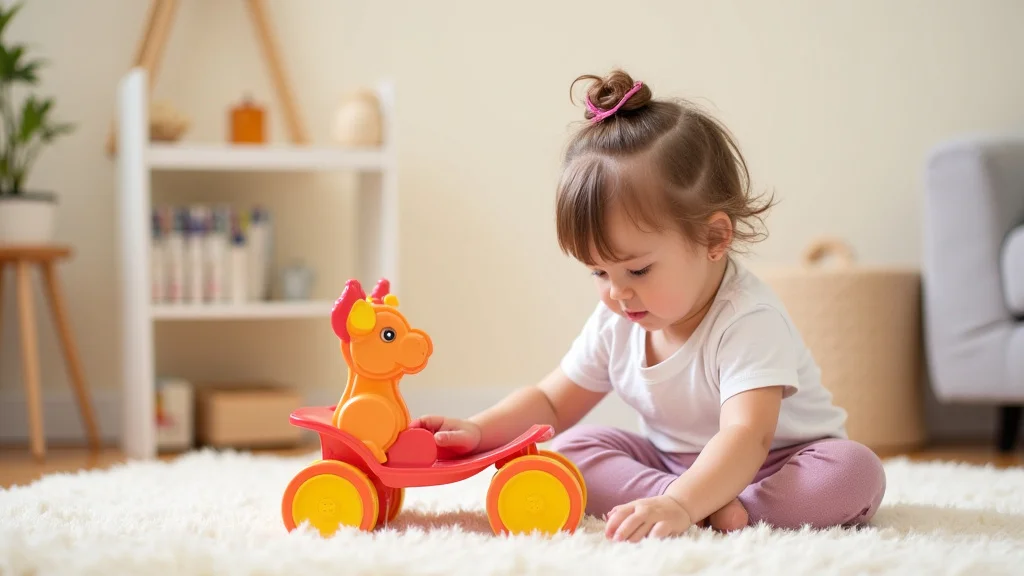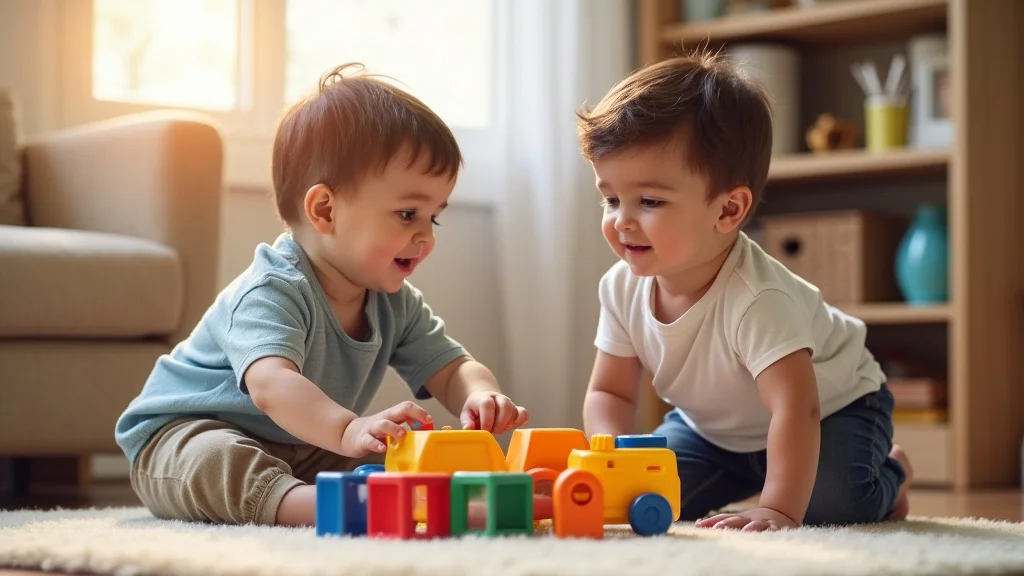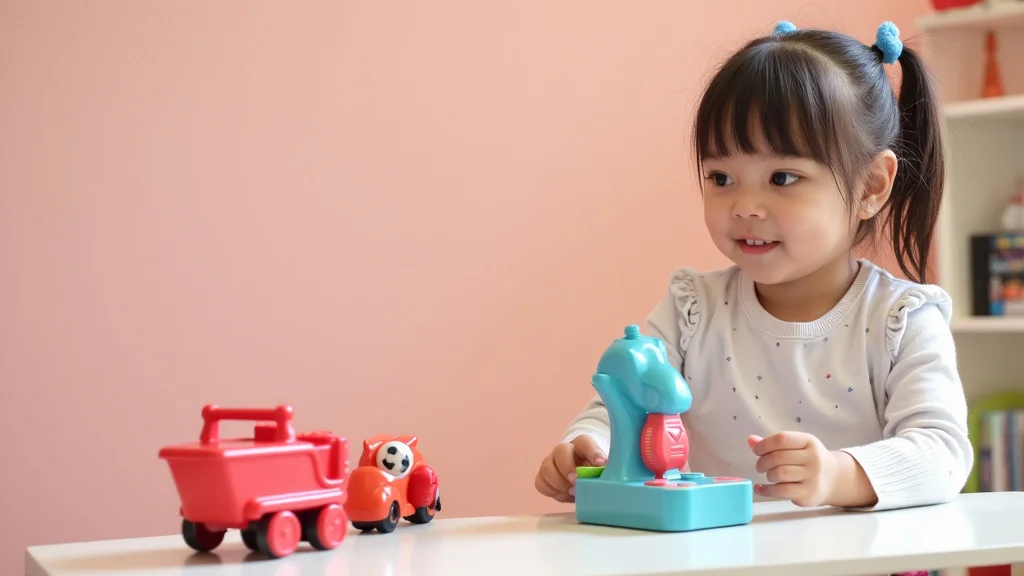
Picture this: a sea of bright colors, giggling sounds, and tiny hands reaching for anything and everything. If you’ve got a toddler girl, you know this scene well. Choosing the right toddler girl toys can be both exciting and a little overwhelming. With so many options, how do you pick the ones that are safe, stimulating, and, most importantly, fun? This guide will break down the essentials, helping you select toys that spark creativity, encourage learning, and provide hours of entertainment. You will learn about different toy categories, how they help in the child’s development, and which factors to consider when purchasing toys.
Key Takeaways
- Discover the importance of age-appropriateness when selecting toys.
- Learn about the different types of toys and their developmental benefits.
- Understand the safety standards and materials to look for in toddler girl toys.
- Find suggestions to foster creativity and imagination.
- Gain insights into creating a safe play environment.
- Explore toys that support the child’s physical and cognitive development.
Selecting the Perfect Toddler Girl Toys
The toddler years, generally between ages 1 and 3, are a period of rapid growth and learning. During this time, children are exploring the world, developing their fine and gross motor skills, and beginning to understand language and social interactions. Choosing the right toys can significantly support this development, making it a fun and engaging process. The key is to match the toys to the child’s developmental stage, considering their interests and abilities. The focus should be on toys that provide opportunities for exploration, discovery, and imaginative play, which will naturally contribute to their physical, cognitive, and social-emotional growth.
Understanding Age Appropriateness
Age-appropriateness is a cornerstone of safe and effective toy selection. Toys should be suited to a toddler girl’s current capabilities. This prevents frustration and keeps the play experience enjoyable. Carefully observe the child’s current abilities and interests. Toys that are too advanced can be frustrating, while those that are too basic may lead to boredom. Always check the manufacturer’s suggested age range, but remember that these are guidelines. Each child develops at their own pace, so it is crucial to assess the child’s individual capabilities. The goal is to provide toys that offer a “just right” challenge, promoting learning and growth without overwhelming them.
- 12-18 Months: Toys should be simple and designed for exploration, such as large, soft blocks, shape sorters, and push-and-pull toys.
- 18-24 Months: This stage often involves toys that can assist in the development of language and problem-solving skills, like stacking cups, simple puzzles, and toy phones.
- 2-3 Years: Toys that foster creativity and imagination become more significant, including art supplies like crayons and play dough, dress-up clothes, and toy kitchens or tools.
Pay close attention to choking hazards, such as small parts or toys that can break apart. Ensure all toys are sturdy and free of sharp edges or points. Always supervise the child during playtime, especially with new toys, to ensure their safety. This can prevent accidents and allow you to fully enjoy this stage.
Toy Categories and Their Benefits
The world of toddler girl toys is diverse, spanning various categories. Each category offers unique developmental benefits. It’s helpful to consider each category’s characteristics to offer a well-rounded play experience. A combination of different types of toys will encourage all-around development, rather than focusing on a single skill. It’s a great opportunity to explore the diverse play options available, leading to well-rounded growth.
- Building Blocks and Construction Sets: Promote spatial reasoning, problem-solving, and fine motor skills.
- Art Supplies: Encourage creativity and self-expression, fostering fine motor skills and color recognition.
- Pretend Play Toys: Fuel imagination and social skills, including toy kitchens, dress-up clothes, and dolls.
- Musical Toys: Develop auditory skills and an appreciation for music, such as toy instruments.
- Puzzles and Shape Sorters: Improve problem-solving skills, hand-eye coordination, and shape and color recognition.
By offering a variety of toys, you provide your toddler girl with multiple avenues for exploration and learning, and you’ll support the development of various essential skills.
Safety Standards and Materials
The safety of toddler girl toys is paramount. Given their propensity to put things in their mouths, choosing toys made with safe materials and adhering to strict safety standards is essential. Knowing the requirements can help prevent exposure to harmful substances and prevent choking hazards. Always inspect toys frequently for wear and tear, and replace any damaged items promptly.
- Material Matters: Look for toys made from non-toxic materials, like BPA-free plastics and natural, untreated wood.
- Safety Certifications: Ensure the toys meet safety standards from recognized organizations, which indicate the toys have undergone tests for durability and toxicity.
- Choking Hazards: Avoid toys with small parts that can detach and pose a choking hazard.
- Durability: Select toys that are sturdy and can withstand regular use.
By focusing on safe materials, certifications, and regular inspections, you create a safe environment where your child can play freely and explore. This attention to detail will provide peace of mind and allow your toddler girl to enjoy toys safely.
Toys to Promote Imagination and Creativity
Imagination and creativity are at the core of a toddler’s world. Toys that encourage these skills help a child create, innovate, and think in new ways. These toys can take the child to different places. Toys that promote imagination, let your child explore different roles and situations and create their narratives. It’s an opportunity to create and explore unique situations.
Fostering Imaginative Play
Imaginative play is essential. It lets toddlers try out different roles and situations. From playing pretend with dolls to setting up a play kitchen, this type of play allows the child to explore various scenarios. It helps build social skills, language development, and the ability to think creatively. Through imaginative play, children learn to interpret the world around them and develop social skills. Creating a space where imaginative play is encouraged can provide hours of enjoyment and learning. It also supports their emotional development, allowing them to express feelings and deal with the emotions.
- Dolls and Accessories: Great for role-playing, nurturing, and social skills.
- Play Kitchens and Food: Encourage role-playing, language development, and understanding of daily routines.
- Dress-Up Clothes: Allow for imaginative play, role-playing, and self-expression.
- Toy Vehicles: Encourage storytelling and creative adventures.
By creating opportunities for imaginative play, you allow a child to develop confidence and foster creativity. It helps a child to become more expressive and open-minded.
Creative Toys for Artistic Expression
Art supplies are another tool for fostering creativity in toddlers. They provide children with a medium to express thoughts and ideas visually. These toys are an ideal way to encourage fine motor skills and color recognition. This helps a child recognize the diversity of colors and allows them to freely express themselves. It is a creative outlet and a tool for cognitive development. It allows a child to express themselves and learn about shapes, colors, and textures.
- Crayons and Coloring Books: Develop fine motor skills and color recognition.
- Play Dough: Excellent for tactile exploration and shape creation.
- Finger Paints: A great way to explore colors and textures.
- Large Paper and Easels: Encourage free drawing and creative expression.
By providing these art supplies and a place to create, you encourage your toddler girl to explore, experiment, and develop her artistic talents. It is a tool for self-discovery and a chance to develop new skills.
Toys for Physical and Cognitive Development
Beyond imagination and creativity, toys also play a vital role in physical and cognitive development. Choosing toys to strengthen these skills is essential for a toddler’s all-around development. It helps create the foundation for later learning and ensures the development of physical coordination. Toys that support these skills provide opportunities for learning.
Supporting Gross Motor Skills
Gross motor skills involve movements using the large muscles in the body, such as the legs, arms, and torso. Toys designed to support these skills help in the development of coordination, balance, and physical strength. This is an important step in supporting all-around development. Toys that encourage these movements are great to build physical strength and coordination. Encouraging movement is essential for a toddler’s overall health and well-being.
- Push and Pull Toys: Encourage walking and coordination.
- Ride-On Toys: Develop balance and leg strength.
- Balls: Improve hand-eye coordination and gross motor skills.
- Tunnels: Encourage crawling, running, and physical activity.
By providing toys that encourage physical activity, you are helping your toddler girl to develop her motor skills and maintain a healthy and active lifestyle.
Enhancing Cognitive Abilities
Cognitive development refers to how a child thinks, learns, and solves problems. Toys that stimulate cognitive abilities help children develop problem-solving, memory, and spatial reasoning skills. This stage is crucial for cognitive development. Providing toys that focus on problem-solving, memory, and understanding shapes is an important part of cognitive development. Cognitive toys provide the tools for problem-solving, promoting intellectual growth and fostering a love for learning.
- Puzzles: Develop problem-solving skills and hand-eye coordination.
- Shape Sorters: Encourage shape and color recognition and spatial reasoning.
- Stacking Toys: Develop fine motor skills and understanding of cause and effect.
- Educational Games: Introduce basic concepts like numbers and letters in a fun way.
By incorporating these toys into playtime, you support the development of your toddler’s cognitive skills, paving the way for future learning and success.
Common Myths Debunked
There is a lot of information available on toddler toys. Let’s clear up some common misconceptions about selecting toys for toddler girls.
Myth 1: Expensive Toys Are Always Best
Reality: The most expensive toy is not necessarily the best. Often, the simple toys that encourage imagination and interaction are the most valuable. Toys that allow for open-ended play, like blocks or art supplies, can be just as engaging and more beneficial for development than costly electronic gadgets.
Myth 2: Gendered Toys Are Necessary for Development
Reality: While it is okay to have toys that appeal to specific interests, it’s not essential to limit toys based on gender stereotypes. Exposing toddler girls to various types of toys, regardless of perceived gender roles, can promote all-around development and help them explore different interests. Encourage a mix of toys that encourage both creative and structured play.
Myth 3: More Toys Lead to More Playtime
Reality: Too many toys can overwhelm a child and reduce the time spent in meaningful play. A smaller, well-chosen selection of toys often encourages deeper engagement. With fewer options, a toddler girl might spend more time playing and exploring each toy. The quality of play is much more important than the number of toys. Rotating toys can also keep playtime interesting and engaging.
Myth 4: Educational Toys Must Be Boring
Reality: Educational toys can be just as entertaining as other toys. The best educational toys make learning fun and engaging, incorporating play into the learning experience. They introduce new concepts through fun activities. Today, there are many toys that blend learning and play, such as shape sorters, musical instruments, and interactive books.
Myth 5: Toys Need to Be Perfect for Long-Term Value
Reality: It is alright if a toy does not stay relevant for a long period. Toddlers grow and their interests change quickly. What matters most is that the toy is appropriate and safe during the time the child is using it. It is also good to have a mix of toys to suit the different phases of their lives.
Frequently Asked Questions
Question: What is the best age to start introducing toys?
Answer: Toys can be introduced to infants as early as a few months old, but for toddlers, start with age-appropriate toys from the moment they can grasp objects.
Question: How can I ensure toy safety?
Answer: Always check for safety certifications, avoid toys with small parts for toddlers, and supervise playtime, especially with new toys.
Question: How often should I rotate the toys to keep my toddler girl interested?
Answer: Rotating toys every few weeks can keep things fresh and exciting, encouraging more engaging playtime.
Question: What should I do if a toy breaks?
Answer: Immediately remove the broken toy from the play area and discard or repair it to avoid any hazards.
Question: How can I encourage my toddler to share toys?
Answer: Model sharing behavior, provide opportunities for group play, and praise sharing actions when you see them.
Final Thoughts
Choosing the right toddler girl toys is a special way to support a child’s growth and development. By keeping the child’s age, interests, and the benefits of different toy categories in mind, you can create a play environment that is safe, engaging, and enjoyable. Remember to prioritize safety and choose toys that inspire creativity and imagination. Also, look for toys that support physical and cognitive development. It’s a wonderful opportunity to watch your toddler girl explore, learn, and grow. As you choose, remember that the most important element is the fun and joy your little girl will experience. Enjoy this journey and be prepared to create many joyful memories. Make sure to choose the toys that will support the child’s growth. Embrace the fun, celebrate discoveries, and enjoy the moments.