Picture this: a sea of colorful toys scattered across your living room, the joyful squeals of your little one echoing through the house. Finding the perfect toddler toys age 1-2 can feel overwhelming, but it’s a vital part of their development. This post offers guidance to help you navigate the toy aisle, ensuring you choose playthings that are safe, stimulating, and age-appropriate. You’ll gain a deeper appreciation for the importance of play in a toddler’s life, learn to identify safe and developmental toys, and discover fun activity ideas. By the end, you’ll be well-equipped to select toys that will spark your child’s curiosity and support their growth.
Key Takeaways
- You will learn how to identify safe and age-appropriate toys.
- You will discover the importance of play in a toddler’s development.
- This post will help you understand the different developmental stages in this age group.
- You’ll gain insights on choosing toys that enhance sensory exploration.
- You’ll get examples of toys promoting gross and fine motor skills.
- The post will provide helpful tips on creating a stimulating play environment.
The Importance of Play for Toddlers
Play is more than just fun for toddlers; it’s their primary way of learning and exploring the world. Through play, they develop crucial skills in various areas, including cognitive, physical, social, and emotional domains. Engaging with toddler toys age 1-2 provides opportunities for problem-solving, creativity, and self-expression. It helps them build a foundation for future learning. Toys and playtime enable them to learn how to make decisions, resolve conflict, and interact with peers. These activities are essential for social and emotional development.
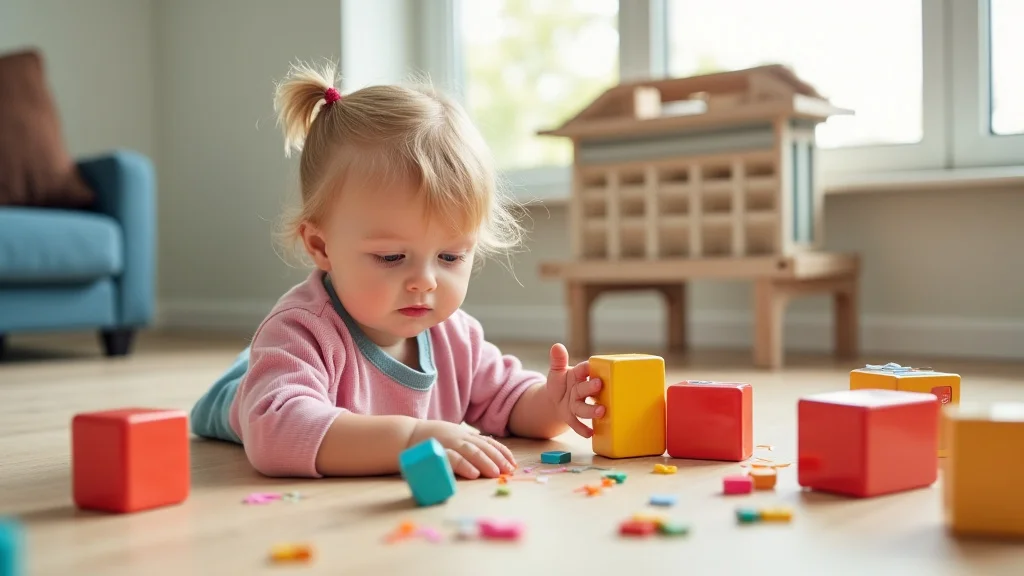
Consider the impact of a simple stacking toy. A toddler learns about spatial relationships, problem-solving (how to balance the blocks), and hand-eye coordination. A play kitchen or building blocks encourage imaginative play, role-playing, and creativity. By providing a variety of toys, you’re essentially providing a mini-curriculum that supports their overall development.
Cognitive Development Through Play
Cognitive development refers to the growth of a child’s thinking, reasoning, and problem-solving abilities. Toys that encourage cognitive skills help toddlers learn about concepts like cause and effect, object permanence, and categorization. At this age, toddlers are naturally curious and love to explore. Toys like shape sorters, puzzles, and books with interactive elements are excellent choices.
- Shape sorters: These toys teach toddlers about shapes, colors, and how objects fit together. As they try different shapes, they learn through trial and error, developing their problem-solving skills.
- Puzzles: Simple puzzles with large pieces are great for hand-eye coordination and spatial reasoning. They also teach perseverance as toddlers work to fit the pieces together.
- Board books: Interactive books with flaps, textures, or sounds engage a toddler’s senses and introduce them to words and concepts.
These activities encourage learning and improve critical thinking. For example, a study showed that children who frequently played with puzzles between the ages of 1 and 2 performed better on cognitive tests later in life.
Physical Development Through Play
Physical activity is essential for toddler development. Toys that promote gross motor skills involve activities using larger muscle groups. Toys that target fine motor skills help toddlers with the small muscles in their hands and fingers. Providing a variety of toys and activities for both categories aids in the development of a well-rounded and coordinated toddler.
- Push and pull toys: These toys encourage walking and help toddlers develop balance and coordination. Whether it’s a wagon to fill with other toys or a push-along lawnmower, these toys are fun and promote physical movement.
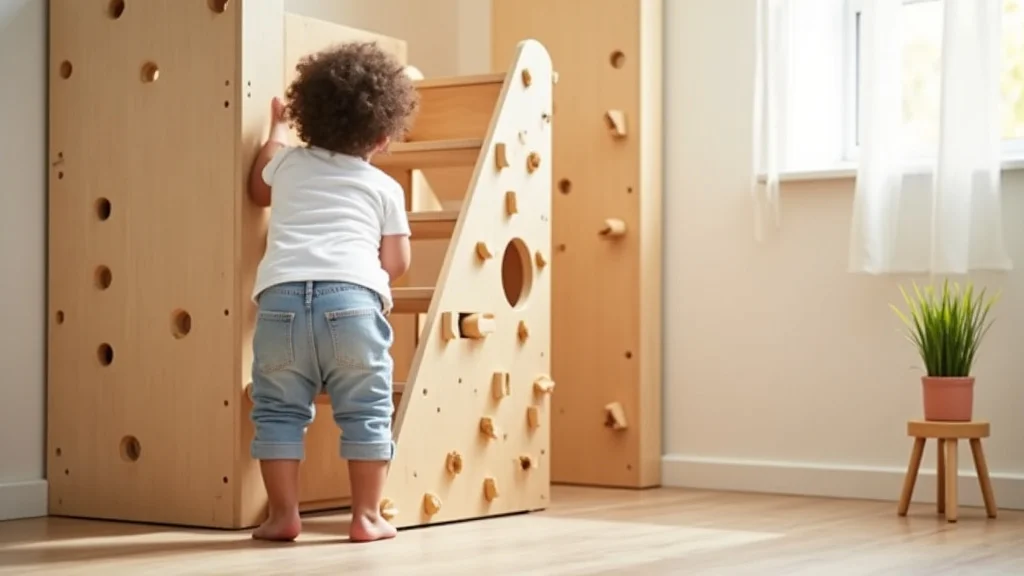
- Climbing structures: Small climbing structures or play gyms help improve strength and coordination. Make sure to choose ones suitable for the size and skill level of the toddler.
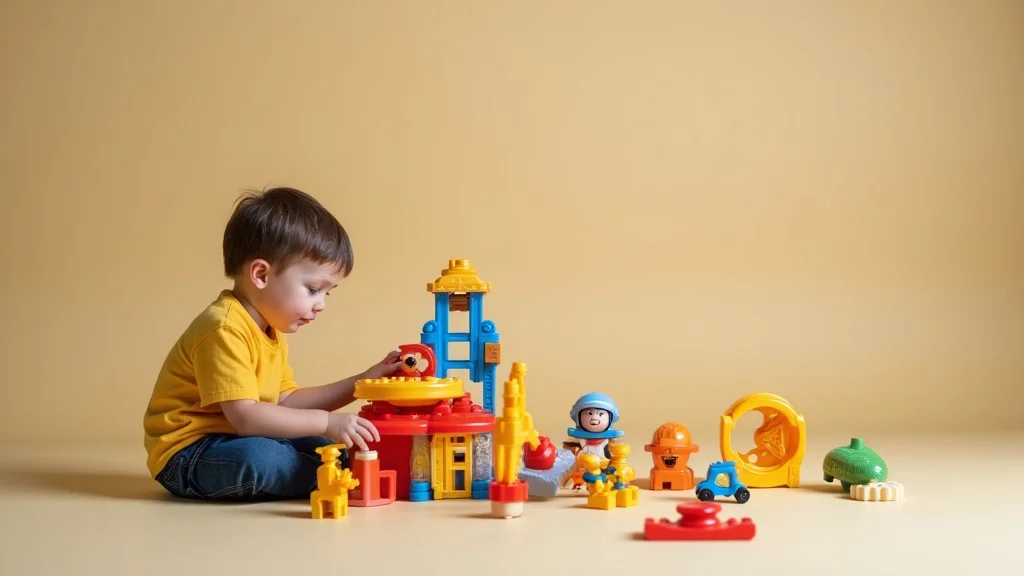
- Building blocks: Stacking and building with blocks develop fine motor skills and hand-eye coordination.
Did you know that toddlers who participate in more physical play tend to have better gross motor skills? A study by the American Academy of Pediatrics reported that children who engage in active play for at least three hours daily have better physical and cognitive development.
Promoting Social and Emotional Growth Through Play
Social and emotional skills are built through interaction with others. Toys, like dolls or toy phones, can help toddlers learn about social interactions and emotions. Pretend play is especially important for developing social and emotional skills.
- Dolls and stuffed animals: These toys can be used in pretend play.
- Toy kitchens: Toy kitchens and related items encourage role-playing, sharing, and communication.
- Art supplies: Crayons, markers, and paint foster creativity and self-expression.
Through these interactions, toddlers learn to understand emotions, share, take turns, and resolve conflicts. Engaging in shared play experiences, such as playing with other children, also helps toddlers build social skills.
Choosing Safe Toddler Toys Age 1-2
Safety is the top priority when selecting toys. This is a crucial time when children put things in their mouths. Thoroughly inspect all toys before purchase and regularly during use. Pay close attention to size, materials, and construction to ensure each toy is safe for your toddler.
Safety Features to Look For
When choosing toddler toys age 1-2, always check for the following safety features. Small parts are a significant hazard. Toys that have small detachable parts or are small enough to fit entirely in a child’s mouth should be avoided. The toy should be made from non-toxic materials, like paints and plastics. Toys with sharp edges, points, or pinch points could cause injury.
- Size: Toys should be large enough that they cannot be swallowed or inhaled. The “choke tube test” is a helpful guide. If a toy or part of a toy can fit entirely into a small parts tester (a tube about the size of a toilet paper roll), it’s a choking hazard.
- Materials: Ensure the toys are made from durable, non-toxic materials. Look for toys made without BPA, phthalates, and lead.
- Construction: Toys should be well-made, with no sharp edges, loose parts, or easily breakable pieces.
Did you know that the U.S. Consumer Product Safety Commission (CPSC) has detailed standards for toy safety? Toys must meet these standards to be sold, but it’s important to still check the toys yourself.
Material Considerations
The materials used to make a toy can greatly impact its safety. Selecting toys made from safe materials is important. Natural materials like wood, organic cotton, and beeswax are generally safe. Avoid toys made from cheap plastics, which could contain harmful chemicals. Be cautious of toys with easily removable or small parts.
- Wood toys: Look for wood toys that are finished with non-toxic, water-based paints and sealants.
- Fabric toys: Ensure fabric toys are made from non-allergenic materials and are machine washable.
- Plastic toys: Choose toys made of BPA-free and phthalate-free plastic. Check for a “safe” symbol or labeling.
A recent study found that toys made from recycled materials often contain fewer harmful chemicals than those made from new plastic.
Toy Inspection and Maintenance
Regularly inspect all toys for damage and wear. Look for any broken parts, loose pieces, or signs of wear. Discard or repair any toys that are damaged. Cleaning toys regularly is also important to prevent the spread of germs. Wash fabric toys according to the care label, and wipe down hard plastic toys with a mild soap and water solution.
Create a routine for checking and cleaning toys, such as during weekly cleaning or before and after playdates. Having these safety steps will ensure your toddler’s playtime stays fun and secure.
Best Types of Toddler Toys Age 1-2
The best toys for toddlers are those that engage multiple senses, encourage interaction, and support their development. By providing a diverse selection, you encourage their learning and growth.
Sensory Toys for Exploration
Sensory toys provide rich experiences that engage a toddler’s senses. These toys can help toddlers explore textures, sounds, sights, smells, and tastes. Sensory experiences contribute to cognitive development.
- Sensory bins: Fill bins with materials like dry pasta, rice, or water beads. Add cups, spoons, and other tools for scooping and pouring.
- Play dough: Play dough is an excellent toy for developing fine motor skills and creativity.
- Musical instruments: Simple instruments, such as shakers, tambourines, or xylophones, introduce toddlers to music and rhythm.
Sensory play is important for neurological development. Children who engage in sensory play develop better sensory processing skills.
Toys that Promote Gross Motor Skills
Toys that help toddlers develop their gross motor skills encourage them to move and develop their physical abilities. Toys that encourage running, climbing, jumping, and throwing are beneficial. These types of toys are crucial for a toddler’s growth.
- Push and pull toys: Push and pull toys encourage toddlers to walk, balance, and coordinate their movements.
- Ride-on toys: Ride-on toys, like balance bikes, help toddlers develop balance and coordination.
- Balls: Balls of various sizes encourage throwing, kicking, and catching, promoting gross motor skills.
Studies have shown that children who get adequate exercise at a young age tend to have better overall health. Research suggests that a minimum of one hour of physical activity per day is important for toddlers.
Toys that Encourage Fine Motor Skills
Fine motor skills involve the small muscles in the hands and fingers. Toys that help toddlers practice these skills are essential for their development. Fine motor activities help with grasping, manipulating objects, and hand-eye coordination. These skills are very important for later activities, like writing.
- Stacking toys: Stacking toys encourage hand-eye coordination and spatial reasoning.
- Puzzles: Simple puzzles with large pieces help develop fine motor skills.
- Bead mazes: These toys involve moving beads along a wire, which helps develop hand-eye coordination.
Fine motor skills are important for tasks like self-care. It’s estimated that children with well-developed fine motor skills are more likely to perform better in school.
Creating a Stimulating Play Environment
A stimulating play environment is important for a toddler’s development. It provides them with opportunities to explore, experiment, and learn. Providing the right space, toys, and activities can increase your child’s learning.
Setting Up a Play Area
Consider the available space when creating a play area. It should be a designated area, like a corner of the living room or a playroom. This space should be safe and engaging. It should also be adaptable to accommodate your child’s changing interests and developmental needs. Make sure to choose the right toys, set safety standards, and encourage your child’s exploration.
- Safety: Ensure the play area is safe and free from hazards. Pad any sharp corners or edges of furniture.
- Organization: Use storage solutions, like bins, baskets, or shelves, to keep toys organized and accessible.
- Accessibility: Arrange toys so they are easy for your toddler to reach and play with independently.
A well-organized play area can enhance your child’s cognitive function, and create a better learning experience. By having a well-organized play area, your child will be able to easily locate and pick up toys. This organization supports learning.
Encouraging Interactive Play
Interactive play involves more than just toys. It’s about engagement with your child and creating fun activities. Playing with your child supports their development. You can encourage interaction with your child through games, songs, and imaginative play.
- Play games: Play simple games, like peek-a-boo or building block towers.
- Read books: Reading books to your toddler is a great way to bond, build their vocabulary, and encourage their love of reading.
- Sing songs: Singing songs helps with language development and provides entertainment.
Studies show that parents who engage in interactive play with their toddlers have children with improved language skills.
Rotating and Introducing New Toys
To keep the play environment engaging, rotate the toys. This maintains interest. It will also prevent toy overload. Regularly introduce new toys that correspond to your child’s age and developmental stage.
- Rotate toys every few weeks to prevent boredom and maintain interest.
- Introduce new toys gradually to encourage exploration.
- Consider your toddler’s current interests when introducing new toys.
Rotating toys and introducing new ones can enhance your child’s experience and promote their development.
Common Myths Debunked
Myth 1: Expensive Toys Are Better
Reality: The most expensive toys are not always the best. The best toys are those that stimulate your child’s imagination. Affordable toys can be as beneficial as the more expensive ones, and it is the interaction and play that is most important.
Myth 2: All Toys Labeled “Educational” Are Beneficial
Reality: Not all toys that claim to be educational are actually beneficial. Choose toys that are appropriate for your child’s age and developmental stage. Look for toys that encourage exploration and engagement.
Myth 3: Toddlers Shouldn’t Have Too Many Toys
Reality: While it is important to avoid toy overload, a variety of toys can be beneficial. Rotate toys, and ensure there is enough space for your child to move and explore. The right number of toys provides your child with a variety of opportunities for learning and play.
Myth 4: Screen Time is Okay for Toddlers
Reality: Screen time is not beneficial for toddlers. It is better to focus on toys that encourage exploration. It is important to encourage your child to play and interact with others.
Myth 5: Toys Should Be Gender-Specific
Reality: Toys should not be gender-specific. It is important to expose your child to toys that are appropriate for their age. Choose toys that encourage imagination, creativity, and exploration.
Frequently Asked Questions
Question: What is the best toy for a one-year-old?
Answer: The best toys for one-year-olds are those that stimulate the senses, encourage movement, and promote the development of fine motor skills. Some great examples are shape sorters, push-and-pull toys, and stacking blocks.
Question: Are wooden toys better than plastic toys?
Answer: Not necessarily. Both wooden and plastic toys have pros and cons. The most important thing is to make sure the toy is made from safe, non-toxic materials. Wooden toys are often more sustainable, but both types can be beneficial.
Question: How often should I clean my toddler’s toys?
Answer: It’s important to regularly clean your toddler’s toys. Wash soft toys weekly. Wipe down hard toys with a mild soap and water solution several times a week, especially if your child is sick or the toys are frequently used outdoors.
Question: When should I start introducing puzzles to my toddler?
Answer: You can start introducing puzzles to your toddler around 18 months of age. Begin with simple puzzles with large, easy-to-grasp pieces. As your child’s skills develop, you can move on to more complex puzzles.
Question: How can I encourage my toddler to share toys?
Answer: Encourage sharing by modeling good behavior and providing opportunities for your child to play with other children. Start by playing with them. Remind them that sharing can be fun, and praise them when they share.
Final Thoughts
Choosing the right toddler toys age 1-2 is a significant step in supporting your child’s development. The key to successful toy selection lies in considering safety, developmental appropriateness, and the fun factor. By focusing on age-appropriate toys that encourage exploration and creativity, you can create a positive and stimulating learning environment. Remember, the best toys are those that spark your child’s curiosity, allowing them to explore, learn, and grow. Embrace the mess, the laughter, and the endless possibilities of play, and watch your toddler thrive. Encourage your toddler to explore and discover the joy of learning through play.