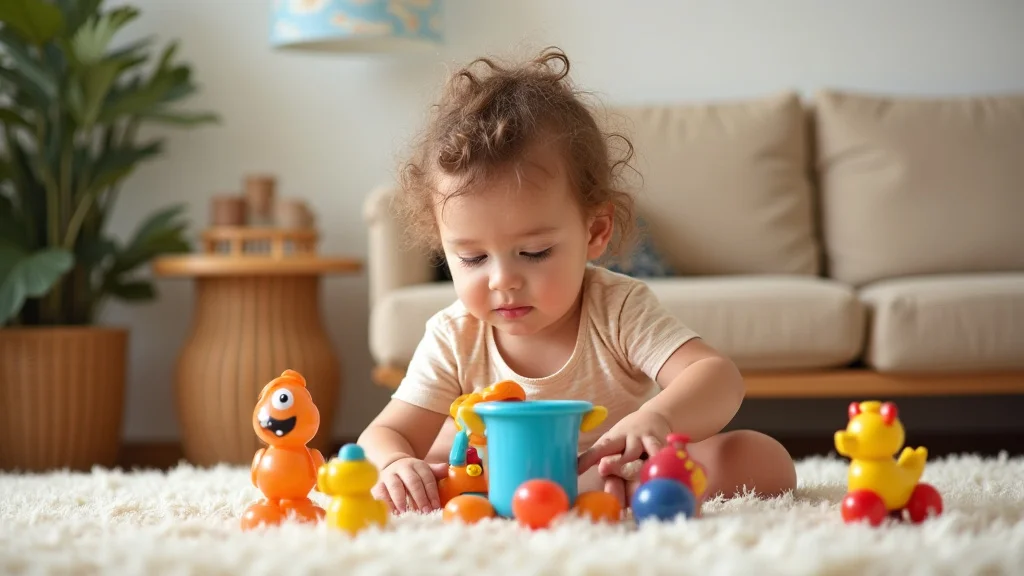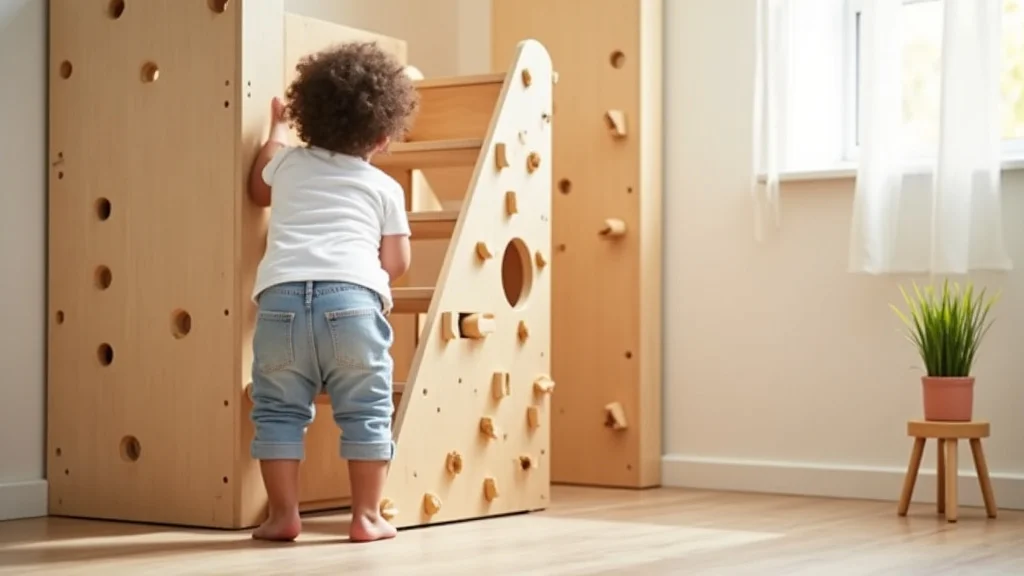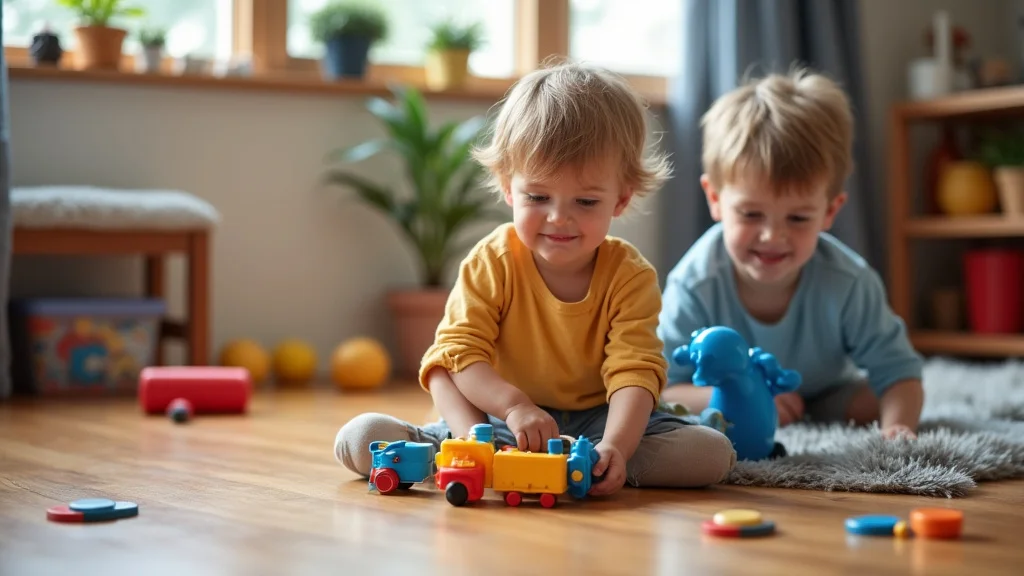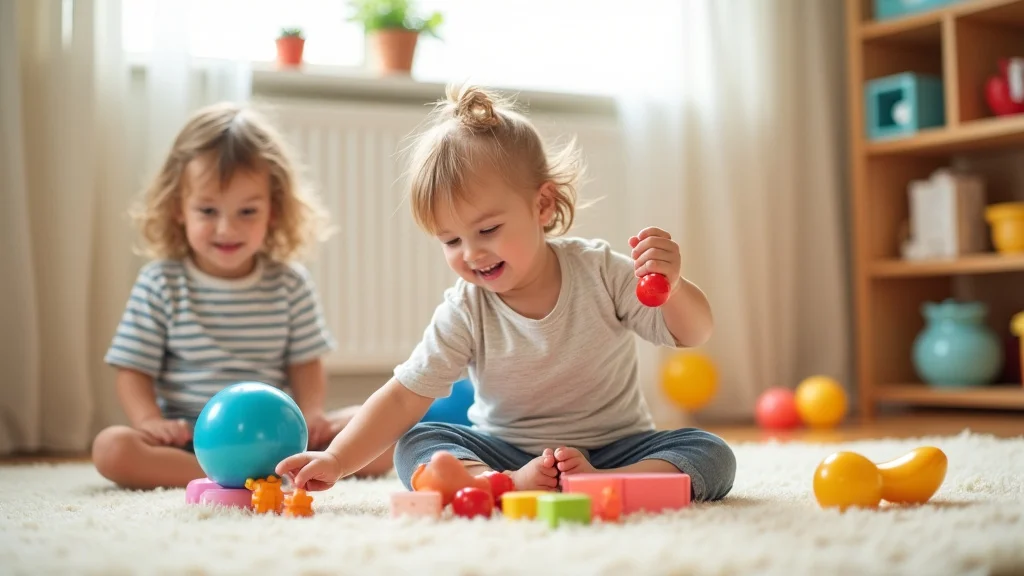
Picture this: a toddler, eyes wide with fascination, carefully examining a brightly colored object. They reach out, their tiny fingers exploring the textures and shapes. This is a common scene, often fueled by the engaging power of toddler sensory toys. As parents, we want to give our children the best start. But how do these seemingly simple toys contribute to a child’s development? This post will help you explore the amazing benefits of these toys. You’ll also learn how to choose the right ones for your child, giving you an edge. You will learn how to boost your child’s cognitive, physical, and emotional growth. Get ready to explore the exciting world of toddler sensory toys!
Key Takeaways
- Sensory toys help toddlers develop crucial cognitive skills like problem-solving.
- These toys provide opportunities to enhance fine motor skills through manipulation.
- They aid in emotional regulation by providing calming, engaging experiences.
- Sensory play fosters creativity and imagination in young children.
- Different textures, sounds, and visuals stimulate various senses, leading to well-rounded development.
- Selecting the right toys can make playtime educational and fun.
The Value of Sensory Play in Early Childhood
Sensory play is any activity that stimulates a child’s senses: touch, taste, sight, sound, and smell. It is a fundamental part of early childhood development, playing a role in how young children explore and make sense of their surroundings. This kind of play is not just about fun; it builds vital neural pathways in the brain. As toddlers interact with different textures, sounds, and visual elements, they are learning about the world, developing cognitive abilities, and building a foundation for future learning. Sensory experiences act as building blocks for knowledge, promoting the development of language, problem-solving skills, and social interaction.
Building Blocks of Cognitive Growth
Cognitive development, encompassing memory, attention, and problem-solving, is significantly influenced by sensory play. When a child engages with sensory toys, they are making discoveries and asking questions. Toys that allow children to explore different materials and effects encourage the development of critical thinking. A child manipulating a shape sorter, for example, is making a plan and putting it into action, gaining experience in how things fit together. Repeated exposure to these types of activities reinforces essential cognitive skills.
- Exploration and Discovery: Sensory toys allow toddlers to explore the world through touch, sight, sound, and smell. Children naturally ask questions as they interact with items. This exploration is key to developing a sense of curiosity.
- Problem-Solving Skills: When toddlers engage with sensory items, they are often solving puzzles and figuring things out. For example, fitting shapes into a corresponding hole is a problem to solve. These experiences improve problem-solving.
- Memory and Recall: As toddlers repeatedly use specific sensory items, they start to remember what something feels like or what sound it makes. This activity supports the building of memory.
- Cause and Effect: Many sensory toys show cause-and-effect relationships. Pressing a button to produce a sound, or stacking blocks to make a tower is something to learn. These activities teach basic lessons.
Fine Motor Skill Development Through Play
Fine motor skills, the coordination of small muscles, particularly in the hands and fingers, are greatly developed during sensory play. Activities like grasping small items, pouring, scooping, and manipulating materials help to strengthen these muscles. These activities are essential for performing daily tasks later on, such as writing, buttoning clothes, and tying shoes. Sensory toys provide a fun way for toddlers to build the necessary dexterity and hand-eye coordination needed for future skills.
- Grasping and Holding: Toys that require grasping, like small balls, blocks, or toy utensils, help to build the strength in the toddler’s hands and fingers.
- Pouring and Scooping: Activities like pouring water or rice into containers develop hand-eye coordination and improve fine motor control.
- Manipulating Materials: Sensory materials like playdough or sand let children squeeze, squish, and shape. This supports muscle development in the hands.
- Hand-Eye Coordination: Toys that require coordination between hand movements and visual focus support the development of hand-eye coordination.
Boosting Emotional and Social Growth
Sensory toys also help toddlers with their emotional and social development. Sensory play can be very calming and soothing, helping children to manage their emotions and reduce anxiety. It is also an excellent tool to encourage social interactions, especially when children play together. Sharing sensory materials and experiences fosters cooperation, communication, and social awareness. These early social interactions are important for creating positive relationships and building confidence.
- Emotional Regulation: Calming textures like playdough or kinetic sand can offer a way to calm down and relax.
- Social Interaction: Toys that encourage playing together, such as shared art supplies or play food, allow children to interact and share experiences.
- Communication Skills: Discussing sensory experiences with peers or adults encourages language development and communication skills.
- Self-Expression: Playing with sensory toys often offers children an avenue to express their feelings and creativity.
Choosing the Right Toddler Sensory Toys
Selecting the right toys is key to giving your toddler the best experience. The market includes a wide range of sensory items, from simple DIY projects to complex commercial items. It’s essential to consider the child’s age, safety, and individual needs. Always prioritize safety when picking out toys, and make sure that items are age-appropriate and free of small parts. Focusing on quality materials and design also helps to ensure the toys will provide long-lasting enjoyment and support the child’s development.
Safety First: Selecting Safe Sensory Items
Safety should be a parent’s top concern when choosing sensory items for toddlers. Always look for toys made from non-toxic, child-safe materials. Regularly inspect toys for wear and tear, and replace any items that are damaged. Stay away from items that may pose a choking hazard, like small beads, buttons, or small pieces that can break off. Supervise young children when they are playing, and teach them safe play habits.
- Non-Toxic Materials: Always choose toys made from non-toxic materials, such as BPA-free plastics or natural, untreated wood.
- Choking Hazards: Be very careful of toys with small parts. Avoid toys that can be easily pulled apart, broken, or that could be swallowed.
- Age Appropriateness: Ensure that toys are made for the child’s age group. Follow the age recommendations on toy packaging.
- Supervision: Supervise young children during playtime. This is especially true when they are playing with any new sensory items.
Age-Appropriate Sensory Toy Ideas
Consider the developmental stage of the toddler when choosing toys. For younger toddlers, simple items with large parts and textures are best. As children grow, you can introduce more complex toys that encourage different skill sets and engagement. A wide variety of toys is on the market, from simple homemade items to more complex options. Here are some examples:
- For Younger Toddlers (12-18 Months): Large blocks, soft balls, and textured items.
- For Older Toddlers (18-36 Months): Shape sorters, simple puzzles, playdough, and water-based art supplies.
- Homemade Options: Sensory bins filled with safe items, such as dried pasta, rice, or beans. These allow exploration.
- Commercial Toys: Building blocks, sensory boards, and musical toys. These types of toys are created for learning.
Considering Your Toddler’s Interests
Every child is different. Observe your toddler to understand their interests and preferences. Some children enjoy the feeling of water, while others like sounds or colors. Learning about what grabs your toddler’s attention can help you select toys that they will enjoy and use. Making the play time more personalized will keep your child engaged and more likely to gain benefits from it. This also fosters a love of learning and improves a child’s confidence.
- Observe Preferences: Pay attention to your child’s reactions to different items. Does your child love the feel of water, for example? Or do they spend hours playing with building blocks?
- Introduce Variety: Offer a range of toys with different textures, sounds, and colors. Then, notice what your child is drawn to.
- Adapt and Adjust: Change the play items based on your child’s feedback. This allows the playtime to grow with your child’s needs.
- Make It Fun: Make the activities creative and fun. This is how you help children get involved and excited about sensory play.
Engaging Activities with Toddler Sensory Toys
Making playtime engaging involves more than just giving your child a toy. It’s about setting up activities that encourage interaction, learning, and fun. Incorporate sensory elements into daily routines, making learning a natural part of play. This can include anything from cooking with your toddler to creating a play area full of sensory experiences. These activities should be well-thought-out, age-appropriate, and above all, entertaining.
Creating a Sensory Play Space
A designated sensory play area offers a space for your toddler to explore and discover without limits. This space could be a corner of a room, a small table, or an entire room, depending on the space you have. The main thing is to create a space that’s safe, accessible, and ready for exploration. Make sure that the space is easily supervised, well-lit, and furnished with items that are safe and age-appropriate.
- Safety First: Make sure the play area is safe and free of hazards like sharp corners or loose objects.
- Accessibility: Put the toys in a way that is easy for your child to reach and to see.
- Variety of Materials: Offer a range of sensory materials. This is what will keep the playtime exciting.
- Regular Changes: Change the toys and activities regularly to sustain your child’s interest and learning.
Sensory Bin Ideas for Toddlers
Sensory bins are simple and valuable tools for encouraging sensory play. You can easily make your own bins using different household items. Select a base like water, rice, beans, or even dry pasta. Add items that offer different textures, colors, and sounds. Always supervise children during the activity and make sure the materials are safe and age-appropriate. Sensory bins are amazing, and they also foster imagination.
- Water Table: Fill a bin with water, and add cups, funnels, and toy boats for a water play.
- Dry Pasta Bin: Use colorful pasta, scoops, and cups. This encourages scooping and pouring.
- Bean Bin: Fill a bin with dried beans, and add toy tools for digging and exploring.
- Sand Play: A sand table allows for digging, building, and playing with molds.
Incorporating Sensory Play into Daily Routines
Sensory play is not only for dedicated play times; it can also be part of daily activities. For example, include your toddler in the kitchen by letting them measure ingredients or wash vegetables. During bath time, offer toys that allow water exploration. While on a walk, encourage your toddler to feel different textures, such as tree bark or grass. These simple steps can make learning natural and fun, improving your child’s experience.
- Cooking Activities: Let your toddler measure and mix ingredients, feeling the textures of the food items.
- Bath Time: Use bath toys that squirt, pour, or float to engage the senses in the water.
- Outdoor Exploration: Encourage your child to touch leaves, feel the dirt, and listen to the birds.
- Art and Craft: Use painting, drawing, or playdough to encourage artistic skills.
Common Myths Debunked
Myth 1: Sensory toys are only for children with special needs.
While toddler sensory toys are very helpful for children with special needs, they offer benefits for all children. Sensory play supports the development of crucial skills for all toddlers, supporting cognitive, physical, and emotional growth.
Myth 2: Sensory play is messy and time-consuming.
While some sensory activities can get a little messy, they don’t always need to be. You can do easy-to-clean activities. Preparing the area before and cleaning it after can make sensory play manageable and less time-consuming. The benefits for your child’s development far outweigh the small amount of effort involved.
Myth 3: Expensive toys are always best.
Expensive toys are not necessary for a good sensory experience. Many affordable and homemade items can be just as good, or even better. Use safe household items and DIY projects. These types of activities often bring the greatest developmental benefits for your child.
Myth 4: Sensory play is just for fun; it’s not educational.
Sensory play has educational value by giving a child experiences and making learning more engaging. Through sensory activities, toddlers learn many things about the world and develop key skills.
Myth 5: Sensory play is only beneficial for young toddlers.
Sensory play benefits children of all ages. As children grow, the complexity of sensory activities can increase. Sensory play continues to promote learning and development throughout childhood.
Frequently Asked Questions
Question: At what age should I begin introducing sensory toys?
Answer: You can start introducing sensory toys as early as 6 months. Always select toys that are appropriate for the child’s age and that meet safety standards.
Question: Are there any safety precautions I should follow when providing these toys?
Answer: Always supervise your child. Make sure toys are made from non-toxic materials. Inspect toys regularly for damage. Stay away from any items that could be a choking hazard.
Question: How often should my toddler engage in sensory play?
Answer: There is no set schedule. Aim to offer sensory play for a few minutes each day. The frequency will depend on the child’s interest and your ability to provide opportunities.
Question: Can I make my own sensory toys at home?
Answer: Yes, you can. You can create sensory bins with materials like rice, beans, or water. DIY projects can also be an engaging and cost-effective way to offer sensory experiences.
Question: How can I tell if my child is enjoying a particular sensory activity?
Answer: Observe your child’s reaction. Signs of joy include laughing, exploring the materials, and staying engaged for a while. If the child does not seem interested, you can adjust the activity.
Final Thoughts
Toddler sensory toys are valuable tools that support early childhood development. They provide a lot of benefits for a young child’s cognitive, physical, and emotional growth. When choosing toys, remember to consider safety, age-appropriateness, and your toddler’s interests. Offering engaging sensory activities, like sensory bins or incorporating sensory experiences into the daily routine, makes learning entertaining and effective. By making playtime a time for learning and exploration, you can encourage your child’s curiosity and give them a strong base for future learning. Remember, the goal is to make play time educational and fun. You’ll be delighted as you watch your child develop and grow, all while having fun.